
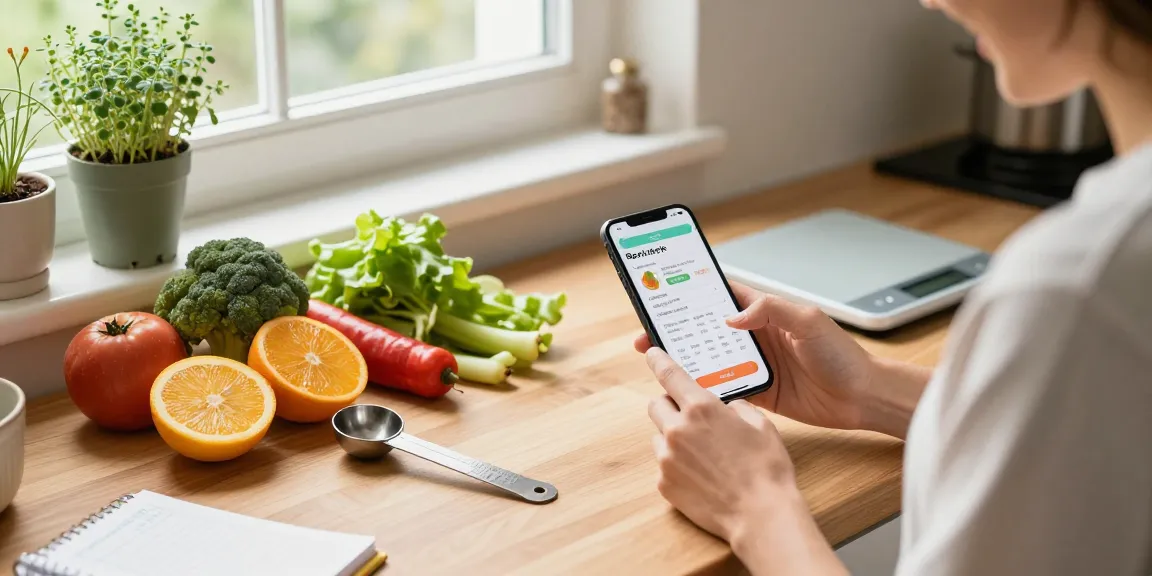
Understanding Food Tracking: The Basics
Food tracking has become an essential tool for individuals aiming to manage their health, weight, or simply understand their dietary habits better. It involves recording what you eat to gain insights into your nutritional intake and caloric balance. The rise in food tracking apps has made this process more accessible and user-friendly than ever before. From detailed nutrient breakdowns to intuitive user interfaces, these apps cater to a variety of dietary needs and preferences, allowing you to tailor your food management strategy effectively. When exploring options, best food tracker provides comprehensive insights into which tools are best suited for your individual health goals.
What is Food Tracking?
Food tracking refers to the practice of logging your food intake and nutritional details, either manually or through an app. This process allows users to monitor their caloric consumption, macro and micronutrient intake, and overall dietary habits. Food tracking is not just about weight loss; it’s also about understanding how different foods affect your body and performance.
Benefits of Using a Food Tracker
- Awareness: By tracking what you eat, you become more aware of your food choices and portion sizes.
- Goal Setting: Food tracking helps set realistic dietary goals, whether you’re looking to lose weight, build muscle, or maintain a healthy lifestyle.
- Insight into Nutritional Quality: Understanding the quality of your diet is crucial. Tracking helps identify deficiencies and areas for improvement.
- Motivation: Seeing progress through tracking can motivate you to stick to your dietary goals.
How to Get Started with Food Tracking
To start food tracking effectively, begin by choosing a compatible app for your device. Set clear dietary goals, whether they involve calorie counting, macronutrient balancing, or specific dietary preferences like veganism or keto. Log your meals consistently, being sure to input everything you eat and drink. Over time, analyze the data provided by the app to adjust your eating habits as necessary.
Evaluating the Best Food Trackers in 2026
The landscape of food tracking apps is rapidly evolving, with new features and capabilities emerging every year. Evaluating the best food trackers involves looking into their functionalities, user-friendliness, and the depth of their food databases. In 2026, leading food trackers are categorized based on twelve critical criteria which help users make informed choices.
Criteria for Ranking Food Tracking Apps
When assessing food tracking apps, several key factors need to be considered:
- Accuracy: How precise is the calorie and nutrient information?
- Database Quality: Does the app feature a comprehensive database of foods, including international and specialty items?
- User Experience: Is the app easy to navigate with an intuitive interface?
- Customization: How well does the app allow users to tailor their food tracking and goals?
- Feedback and Support: What kind of nutrition coaching or feedback does the app provide?
Top Features of the Best Food Tracker
The best food trackers in 2026 come packed with features that enhance the user experience. These include:
- AI Integration: Apps now leverage AI for meal suggestions based on personal preferences and dietary goals.
- Visual Progress Tracking: Many apps offer charts and graphs to visualize progress over time.
- Meal Planning Tools: Integrated meal planners to help users prepare their diets in advance.
- Community Features: Connecting with others for motivation and sharing dietary tips.
Comparing Popular Food Tracking Apps
Among the plethora of food tracking apps available, a few stand out in the current market. Here’s a brief comparison of the top contenders:
- Welling: Known for its AI-driven coaching and personal feedback mechanisms.
- Cronometer: Highly praised for its micronutrient tracking capabilities.
- MacroFactor: Renowned for its adaptive approach to macronutrient tracking based on user data.
- YAZIO: Offers extensive meal planning and recipe options.
- Lifesum: Combines beautiful design with effective tracking features.
- Carb Manager: A go-to choice for low-carb and keto dieters.
Choosing the Right Food Tracker for Your Goals
Finding the right food tracker requires reflection on your personal dietary needs and lifestyle. There is no one-size-fits-all solution; the ideal app aligns with your health goals, whether those include weight loss, muscle gain, or maintaining a balanced diet.
Identifying Your Dietary Needs
Understanding your dietary needs is crucial for effective tracking. Are you aiming to shed pounds, gain muscle, or simply maintain a healthy diet? Knowing your goals will guide your app choice significantly. If you follow a specific diet plan, like veganism or keto, look for apps that support those guidelines.
How to Match Apps with Your Lifestyle
Your lifestyle plays a significant role in which food tracker you should choose. For instance, if you appreciate detailed analysis, a data-centric app like Cronometer might be ideal. Conversely, if you prefer simplicity, a more straightforward app like MyFitnessPal might suit you better. Assess how each app fits into your daily routine and dietary habits.
Cost vs. Value: What to Consider
When deciding on a food tracking app, weigh the cost against the value it provides. Free apps often come with limited features, while premium options may offer comprehensive support and advanced functionalities. Determine what features are essential for your goals and evaluate whether the paid options are worth the investment.
Implementing Your Food Tracker Effectively
After selecting a food tracking app, effective implementation becomes crucial for achieving your health goals. Success in food tracking relies on consistency, accuracy, and adaptability.
Setting Realistic Tracking Goals
Set achievable goals when starting with your food tracker. Unrealistic expectations can lead to frustration and abandonment of the app. Aim for small, gradual changes instead of drastic transformations, and adjust your goals based on your progress.
Common Mistakes in Food Tracking to Avoid
Even with the best intentions, mistakes can happen. Common pitfalls include:
- Inconsistency in logging meals and snacks.
- Neglecting to input beverages or condiments that add calories.
- Overlooking portion sizes – estimating can lead to inaccuracies.
- Ignoring the quality of food – focusing solely on calories instead of nutrition.
Tips for Staying Consistent
Consistency is key to effective food tracking. Here are some tips to help maintain your routine:
- Set reminders to log meals immediately after eating.
- Review your progress weekly to identify trends or areas needing improvement.
- Engage with communities or forums for support and motivation.
- Celebrate small wins to stay motivated on your journey.
The Future of Food Tracking: Trends and Innovations
The future of food tracking appears bright, with numerous innovations promising to enhance user experiences and outcomes. As technology continues to evolve, food trackers are expected to integrate even more advanced features.
AI and Its Role in Food Tracking
Artificial Intelligence is reshaping food tracking by providing personalized recommendations based on user data. Apps are beginning to employ machine learning algorithms to analyze eating patterns and suggest healthier alternatives, ultimately facilitating goal achievement.
The Impact of Data Privacy on Food Tracking Apps
With the increasing reliance on technology, data privacy has become a paramount concern. Users must be aware of how their data is collected, stored, and shared by food tracking apps. Look for apps that prioritize user privacy and transparency regarding data usage.
Emerging Technologies in Nutrition Management
New technologies, such as wearables that sync with food tracking apps, are becoming more prevalent. These integrations can provide real-time insights into how food interacts with personal health metrics, leading to better overall diet management.
What are the Benefits of Food Tracking?
Food tracking offers numerous benefits, including improved awareness of eating patterns, enhanced dietary quality, and better management of health goals. By closely monitoring your intake, you can make more informed decisions that align with your health objectives.
How Accurate are AI Calorie Tracking Apps?
The accuracy of AI calorie tracking apps can vary significantly. While they offer convenience, their performance often depends on how well the algorithms are trained and how accurately users enter their data. Studies suggest that these apps can sometimes underestimate or overestimate caloric intake, so always corroborate app data with trusted nutritional sources.
Can You Lose Weight Using a Food Tracking App?
Research shows that food tracking can indeed facilitate weight loss, especially when combined with a structured plan. By maintaining awareness of caloric intake and making smarter food choices, users can promote a caloric deficit necessary for weight loss.
Does a Bigger Food Database Make a Tracking App More Accurate?
A larger food database does not always equate to higher accuracy. The quality and verification of entries within the database play a crucial role. Apps that prioritize accurate, verified data entries tend to provide more reliable tracking than those with extensive but unverified food options.


