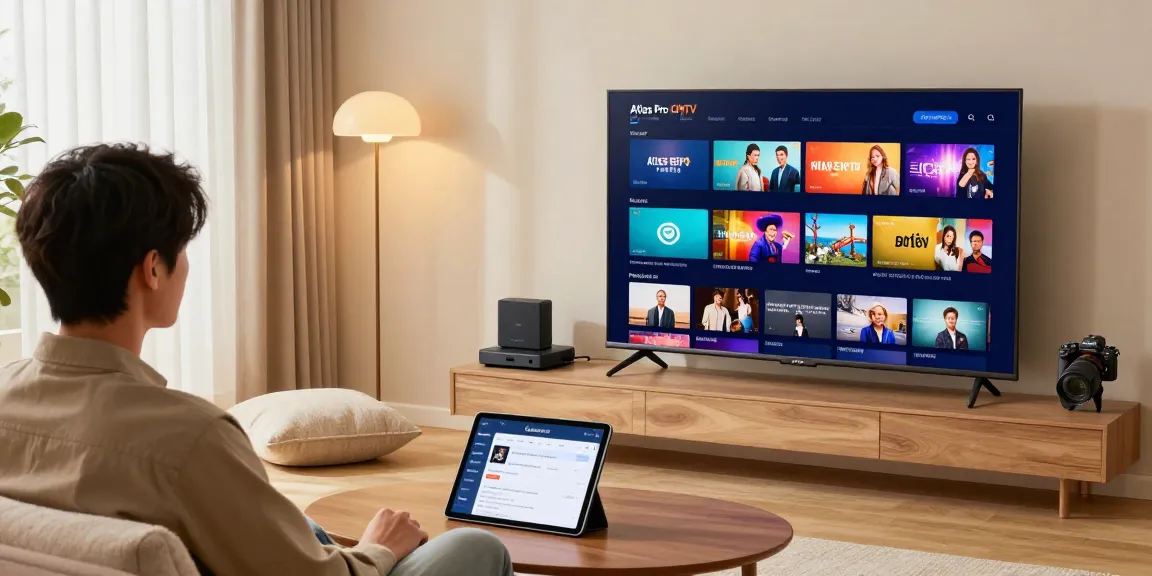
Understanding IPTV: What Is It and How Does It Work?
Internet Protocol Television (IPTV) is rapidly transforming how we consume media, making it more accessible and customizable than ever before. As viewers increasingly seek flexibility in their viewing habits, IPTV emerges as a leading option, offering a plethora of content delivered over the internet. In this comprehensive guide, we will delve into the intricate workings of IPTV, explore its numerous benefits, and help you choose the right subscription to enhance your family’s entertainment experience. When exploring options, iptv provides comprehensive insights into available services, features, and channels that cater to diverse preferences.
Defining IPTV and Its Technology
At its core, IPTV refers to the delivery of television content via Internet Protocol (IP) networks instead of traditional methods like cable or satellite. This innovative technology involves streaming video content over the internet, allowing for a more versatile and interactive viewing experience. With IPTV, users can access live television, video-on-demand (VOD), and time-shifted media, all centralized on a single platform. The technology operates using a variety of protocols, including HTTP, RTSP, and MPEG, which facilitate the efficient delivery and playback of video content on various devices.
How IPTV Differs from Traditional TV Services
Traditional television services rely on a fixed infrastructure of cable lines, satellites, and broadcast towers. In contrast, IPTV leverages the internet, allowing users to watch content whenever and wherever they choose. This flexibility is one of the defining features of IPTV, setting it apart from conventional viewing methods. Additionally, IPTV provides a wider array of content options, including international channels, niche programming, and on-demand content that may not be available through standard cable subscriptions.
Key Components of IPTV Infrastructure
The IPTV infrastructure consists of several key components that ensure seamless content delivery and user experience. These include:
- IPTV Headend: This is the central hub where all content is aggregated and processed before being streamed to viewers.
- Content Delivery Network (CDN): A network of servers that distributes content efficiently across various locations, minimizing buffering and latency.
- Set-Top Boxes (STBs): Devices that decode and display IPTV content on a television screen.
- Middleware: Software that manages user interfaces and service functionalities, allowing for easy navigation and access to content.
Benefits of Using IPTV for Family Entertainment
IPTV not only reshapes how we consume media but also offers several advantages, particularly for families seeking diverse entertainment options. Here are some of the most compelling benefits:
A Comprehensive Range of Channels for Everyone
One of the standout features of IPTV is its extensive channel offerings. Subscribers can enjoy access to thousands of channels spanning various genres, including live sports, news, movies, and educational programming. For families with young children, IPTV provides a host of kid-friendly content that combines entertainment with educational value.
High-Quality Streaming: 4K, FHD, and HD Options
Quality is paramount when it comes to viewing experiences. With IPTV, users can choose from a variety of streaming options, including 4K, Full HD (FHD), and High Definition (HD) content. This flexibility ensures that viewers enjoy crystal-clear images and immersive sound, enhancing their overall entertainment experience.
Parental Controls and Child-Friendly Content
Safety is a significant concern for parents when it comes to media consumption. IPTV platforms often include robust parental control features that allow parents to monitor and restrict access to certain content. This provides peace of mind while ensuring that children can enjoy age-appropriate programming, from animated series to educational documentaries.
Choosing the Right IPTV Subscription for Your Needs
With various IPTV providers and subscription plans available, selecting the right service can feel overwhelming. It’s essential to evaluate your family’s needs and preferences to make an informed decision.
Comparing Different IPTV Packages and Pricing
IPTV providers typically offer a range of subscription packages at varying price points. These packages can include different levels of access to channels, VOD content, and premium features. When comparing options, consider your budget alongside the variety of channels and content types offered.
Understanding Monthly and Annual Subscription Benefits
Many IPTV services offer flexible subscription options, allowing users to choose between monthly or annual billing. Monthly subscriptions provide the flexibility to cancel or change services at any time, while annual subscriptions often come with discounts, making them more cost-effective over the long term.
Managing Your Subscription Effectively
Once you’ve chosen your IPTV service, it’s crucial to know how to manage your subscription efficiently. Most providers, including DODO IPTV, offer user-friendly customer portals where you can adjust your subscription, view billing information, and even upgrade or downgrade your service as needed.
Compatible Devices and IPTV Apps: Stream Anywhere
Another significant advantage of IPTV is its compatibility with a wide range of devices, making it easy to stream content on the go.
Devices That Support IPTV Services
IPTV services are compatible with various devices, including:
- Smart TVs
- Smartphones and tablets (Android and iOS)
- Streaming devices (Roku, Amazon Fire Stick, Chromecast)
- PCs and laptops
- Set-top boxes
Popular IPTV Applications for Seamless Streaming
To access IPTV content, users can download applications designed specifically for seamless streaming. Some popular IPTV apps include:
- Smarters Pro
- IBO Player
- MyTVOnline2
- Smart STB
Troubleshooting Common Issues with IPTV Services
Despite their many advantages, users may occasionally encounter issues with their IPTV service. Common problems include buffering, connectivity issues, and channel availability. Most IPTV providers offer dedicated customer support to assist users with troubleshooting and resolving these issues efficiently.
Future Trends in IPTV: What to Expect in 2026 and Beyond
As IPTV technology continues to evolve, several trends are poised to shape the future of media consumption. Here are some key developments to watch for:
Emerging Technologies Impacting IPTV Services
The integration of cutting-edge technologies, such as artificial intelligence (AI) and machine learning, will play a significant role in enhancing IPTV services. These technologies can improve content recommendations, optimize streaming quality based on user preferences, and streamline user interfaces for a better overall experience.
Predicted Content Trends for 2026
As consumer preferences shift, we can expect an increased focus on original content creation by IPTV providers. Exclusive shows, films, and livestream events will become more common, drawing viewers away from traditional cable networks and towards innovative streaming platforms.
The Role of 5G in Enhancing IPTV Streaming
The rollout of 5G technology is set to revolutionize the IPTV landscape by providing faster internet speeds and reduced latency. As 5G becomes more widely available, users will experience improved streaming quality and reduced buffering times, allowing for a smoother viewing experience even on mobile devices.
Is IPTV Right for You? Frequently Asked Questions
As families explore IPTV options, they often have questions about legality, cost, and usability. Below, we address some common queries:
How to Get Started with IPTV?
To get started with IPTV, choose a reputable provider that meets your viewing needs. After subscribing, you’ll receive instructions on how to set up your service on compatible devices.
Are There Free IPTV Options Available?
While some free IPTV options exist, they may come with limited content and potential legal concerns. It’s advisable to invest in a reputable IPTV subscription for a more reliable and extensive channel offering.