A Deep Dive into Culinary Trends for 2026
The culinary landscape is ever-evolving, shaped not only by cultural shifts but also by technological advancements and changing consumer preferences. As we approach 2026, it is vital for food enthusiasts, chefs, and restaurateurs to stay ahead of the curve by understanding the emerging trends that will define modern cuisine. This guide aims to explore significant culinary movements, including the rise of plant-based ingredients, fusion foods, and the role technology plays in enhancing our dining experiences. If you’re looking for insights into these trends, https://cuisines-a-flo.com/ offers comprehensive information.
The Rise of Plant-Based Ingredients in Modern Cuisine
In recent years, there has been a notable shift towards plant-based diets. This trend is expected to intensify by 2026 as consumers become more health-conscious and environmentally aware. Plant-based ingredients not only provide a myriad of health benefits, but they also resonate with a growing desire for sustainability. Foods like jackfruit, lentils, and various grains will gain popularity as they offer versatile options for chefs to create nutritious and flavorful dishes.
Restaurants are increasingly incorporating these ingredients into their menus, showcasing creative dishes that appeal to both vegan and non-vegan customers. For instance, innovative uses of aquafaba as an egg substitute in desserts or the integration of plant-based proteins into traditional dishes like tacos or burgers are becoming mainstream.
Fusion Foods: Blending Cultures on the Plate
Fusion cuisine, which combines elements from different culinary traditions, will continue to thrive, allowing chefs to push creative boundaries. By 2026, expect to see new and exciting combinations that blend flavors and techniques from diverse cultures. This trend not only reflects the globalization of food but also caters to adventurous diners seeking unique taste experiences.
Popular examples include Korean BBQ tacos, sushi burritos, and Indian-inspired pizzas. These dishes often feature familiar ingredients presented in unfamiliar ways, providing a fresh culinary perspective that excites the palate. Chefs who master fusion techniques can tap into this trend by creating signature dishes that celebrate cultural diversity.
Technology’s Role in Shaping Culinary Experiences
Technology is profoundly influencing the food industry, reshaping how we cook, eat, and experience dining. From advanced kitchen appliances like sous-vide machines to apps that facilitate food delivery, technological advancements enhance not just efficiency but creativity in the kitchen. By 2026, we can expect to see more innovative solutions that integrate artificial intelligence and data analytics to tailor dining experiences according to individual preferences.
Moreover, technology will play a significant role in presentation and marketing. Augmented reality (AR) can create immersive dining experiences that engage customers beyond the plate. Restaurants will use these technologies to tell stories about their dishes, enhancing the overall dining atmosphere.
Understanding the Target Audience: Who Are Today’s Diners?
The modern diner is a complex and diverse demographic, encompassing a wide range of preferences and values. Understanding these nuances is crucial for restaurants and food brands looking to thrive in this competitive landscape. With the rise of health awareness, sustainability, and experiential dining, analyzing who today’s diners are and what they seek is paramount.
Identifying Consumer Preferences and Habits
Today’s diners are more informed and discerning than ever before. They prioritize quality, authenticity, and transparency in their food choices. This demographic often prefers locally sourced ingredients and is inclined to support businesses that prioritize ethical practices. An emphasis on storytelling—communicating the source and preparation of food—can significantly enhance the dining experience.
Health trends also play a role in shaping consumer habits. Diners are increasingly interested in nutrition, seeking meals that are not only delicious but also beneficial for their wellbeing. This shift opens opportunities for restaurants to cater to these preferences by highlighting wholesome ingredients and offering customizable options.
Adapting to Dietary Restrictions and Health Trends
As awareness of dietary restrictions such as gluten intolerance, veganism, and allergies grows, restaurants must adapt to accommodate these needs. By 2026, it is critical for food establishments to provide diverse menus that offer clear labeling and options for special diets. This adaptability not only attracts a broader customer base but also fosters loyalty among diners who appreciate the consideration of their dietary needs.
The Importance of Sustainable Practices in Food Choices
Consumers are increasingly aligning their food choices with their values, particularly in environmental sustainability. By 2026, restaurants that implement sustainable practices—from sourcing organic and local ingredients to reducing food waste—will likely see a significant uptick in patronage. Diners are seeking out restaurants that demonstrate a commitment to green practices, making sustainability not just a trend but an expectation.
Cooking Techniques: What Chefs Will Embrace in 2026
As culinary arts continue to evolve, chefs are likely to adopt new techniques that enhance flavors, improve sustainability, and align with consumer preferences. Keeping pace with these innovations is essential for chefs looking to create high-quality, exciting menus.
Exploring Sous Vide and Other Advanced Cooking Methods
Sous vide cooking, which involves vacuum-sealing food in bags and cooking it in a water bath at precise temperatures, will remain a popular technique among chefs by 2026. This method ensures consistent results, allowing for perfect cooking of proteins and vegetables alike. Its popularity stems from the ability to enhance flavors while maintaining nutritional integrity.
Additionally, techniques like fermentation and smoking are gaining traction as chefs explore new flavor dimensions. These methods not only offer unique tastes but also evoke a rustic, artisanal appeal in an increasingly digital dining world.
Emphasizing Local Sourcing and Seasonal Cooking
There is a growing trend among chefs to prioritize local sourcing and seasonal cooking. By 2026, restaurants that emphasize sustainability through locally sourced ingredients will distinguish themselves in a crowded market. Seasonal menus that celebrate the harvest will not only support local economies but also provide diners with the freshest flavors.
Chefs who build relationships with local farmers and producers can create dishes that reflect their region’s bounty, enhancing both flavor and authenticity. This approach cultivates a sense of community and education around food among diners, fostering a deeper connection to their meals.
Mastering the Art of Presentation: Trends in Plating
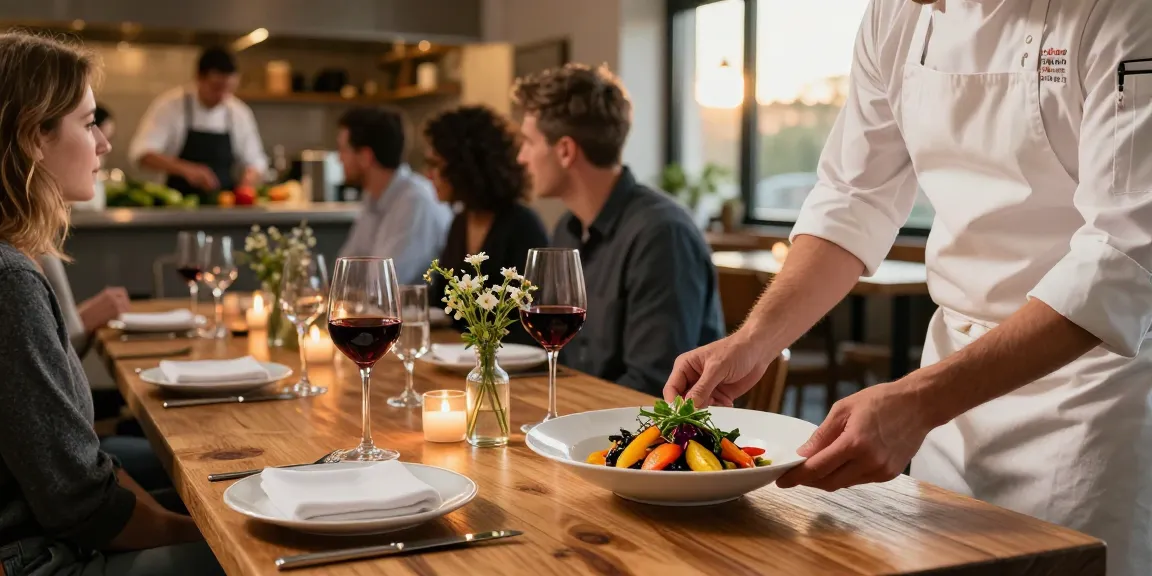
In a world increasingly driven by visual media, the aesthetics of food presentation will be paramount. By 2026, the art of plating will evolve as chefs explore innovative ways to create visually stunning dishes. Techniques that emphasize color contrast, texture variation, and creative use of negative space will enhance the overall dining experience.
Restaurants that master presentation will not only satisfy the visual appetites of diners but also create shareable moments that encourage social media engagement. The goal is to create a meal that is not just eaten but experienced and shared.
Marketing Strategies for Restaurants and Food Brands
As the culinary landscape changes, so too must the strategies that restaurants and food brands employ to engage with their customers. Effective marketing is essential to capture the attention of today’s discerning diners, who are constantly bombarded with options.
Leveraging Social Media for Brand Engagement
Social media platforms continue to be powerful tools for food marketing. By 2026, restaurants need to have a robust social media strategy that highlights their unique offerings and fosters interaction with customers. Engaging content—such as behind-the-scenes videos, chef interviews, and customer testimonials—can create a strong brand identity and build community. Visual platforms like Instagram will remain crucial for showcasing stunning dishes and attracting new patrons.
Utilizing Influencer Collaborations Effectively
Influencer marketing has proven to be an effective strategy for reaching potential customers. In 2026, forming partnerships with food bloggers and local influencers can amplify a restaurant’s reach and credibility. These collaborations should focus on authenticity, with influencers sharing genuine experiences that resonate with their followers.
Moreover, leveraging micro-influencers—individuals with smaller, yet highly engaged followings—can yield significant results by creating a sense of trust and relatability in marketing efforts.
Creating Memorable In-Store Experiences
Today’s diners crave more than just a meal; they seek memorable experiences. By 2026, restaurants should focus on creating immersive in-store experiences that engage all the senses. This could include interactive dining formats, live cooking demonstrations, or themed events that reflect the restaurant’s culinary philosophy.
Immersive experiences not only enhance customer satisfaction but also encourage word-of-mouth marketing, further solidifying a restaurant’s position in the local dining scene.
The Future of Dining: Predictions for 2026 and Beyond
The future of dining is bright and filled with possibilities. As consumer preferences shift and technology advances, the culinary world will continue to transform. Here’s what to expect as we move towards 2026 and beyond.
Emerging Food Culture Connected to Technology
The intersection of food and technology will become increasingly pronounced, influencing the way we source, prepare, and consume food. By 2026, advancements in food tech, such as lab-grown proteins and advanced delivery systems, will reshape the industry landscape. Consumers will also demand transparency and ethical sourcing as they engage with tech-driven dining experiences.
Experiential Dining: The Shift Towards Immersive Experiences
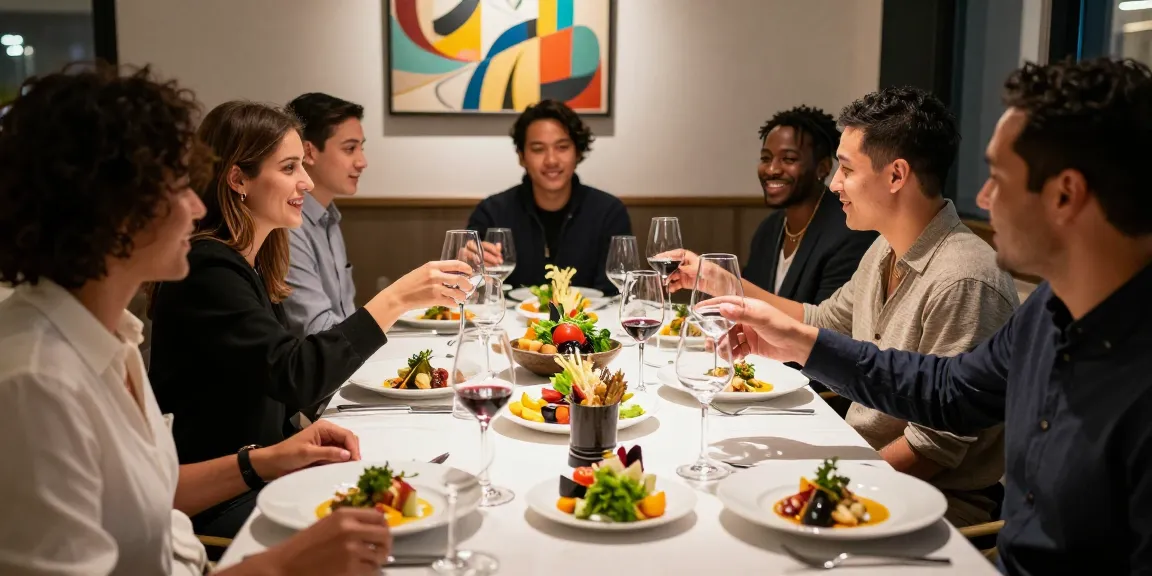
As diners continue to seek more than just a meal, experiential dining will become standard. Restaurants that embrace this trend will develop offers that engage guests on multiple levels—taste, sight, sound, and even smell. By 2026, diners will expect their meals to be part of a larger narrative that connects them to the food itself.
Innovative concepts may include themed environments or multisensory dining experiences that allow guests to immerse themselves fully in the culinary journey.
Trends in Food Delivery and Takeout Services Post-Pandemic
The pandemic has accelerated the growth of food delivery and takeout services, a trend that will persist into 2026. Restaurants must adapt by refining their takeout packaging and ensuring that the food maintains its quality during transit. Enhanced online ordering systems and efficient delivery logistics will be paramount as consumers continue to prioritize convenience.
In addition, offering exclusive delivery menus or promotional deals may entice customers to choose takeout options, helping restaurants to remain competitive in a shifting market.
What Culinary Innovations Will Change the Game?
As we look ahead, culinary innovations are poised to reshape the food industry. By 2026, we may see breakthroughs in sustainable food production, innovative cooking methods, and healthier ingredient alternatives. The chefs who harness these innovations will not only lead the culinary world but will also set trends that resonate with the evolving preferences of modern diners.
In conclusion, understanding and embracing these trends is essential for anyone involved in the culinary industry. By doing so, chefs and restaurateurs can ensure they remain relevant and appealing to consumers who are constantly seeking new experiences and flavors.