Understanding the Tree House Life Concept
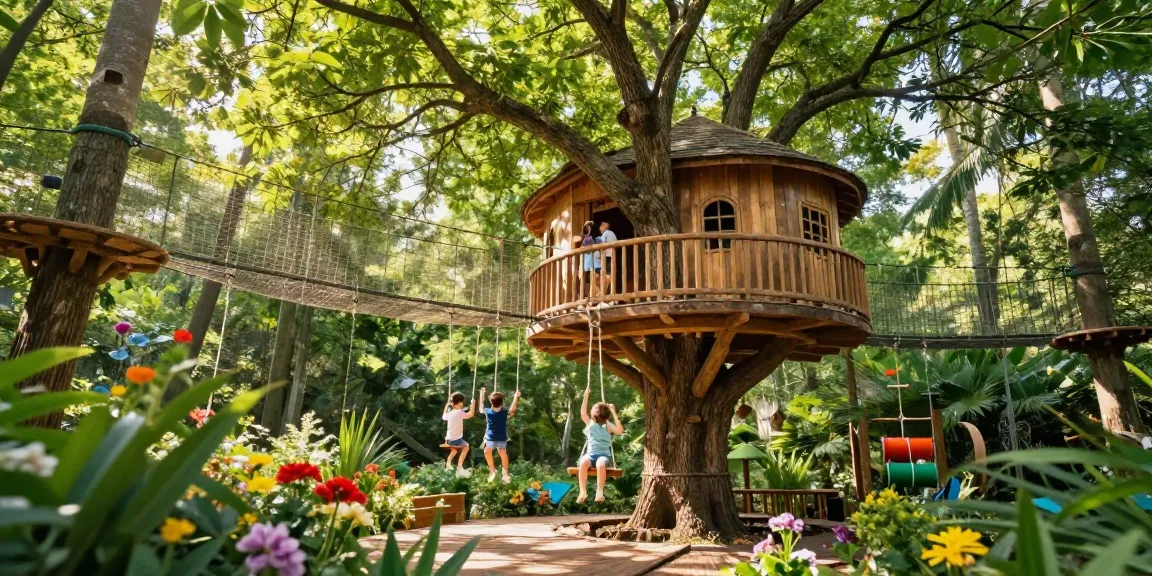
Living in a tree house has transcended the realm of childhood fantasies, evolving into a unique lifestyle choice that emphasises harmony with nature, adventure, and sustainability. The "tree house life" concept represents more than just a dwelling; it encapsulates a lifestyle deeply rooted in environmental awareness and creative living. Whether as a retreat, a full-time home, or a family adventure, tree houses are designed to create connections—both with the surrounding landscape and with each other.
Treehouses offer a fantastic opportunity to escape the everyday hustle, allowing individuals and families to immerse themselves in nature’s tranquillity. If you're curious about this lifestyle, tree house life provides comprehensive insights into building and living in these remarkable structures, making it easier for you to explore this enchanting way of life.
What is Tree House Life?
The concept of "tree house life" involves living or spending significant time in elevated structures built among trees. These homes can range from simple, rustic designs suited for weekend retreats to luxury, fully equipped living spaces with the comforts of modern life. The primary aim is to create a living space that coexists with nature, offering residents a unique perspective amid thriving foliage.
The Benefits of Living Amongst the Trees
- Connection to Nature: Living in a tree house enhances your bond with the natural environment, allowing you to appreciate wildlife, changing seasons, and the sounds of the forest.
- Improved Mental Well-Being: Studies show that spending time in nature reduces stress and increases overall happiness, making tree houses ideal for mental health.
- Adventure and Novelty: The unique design of tree houses provides an exciting sense of adventure, appealing to both children and adults.
- Eco-Friendly Living: Many tree houses focus on sustainable building practices, utilizing eco-friendly materials and designs that minimise environmental impact.
Key Features of Modern Tree Houses
Modern tree houses are designed with several key features that enhance both their aesthetic appeal and functionality:
- Open Floor Plans: Many tree houses boast spacious, open layouts that maximise views and natural light.
- Natural Materials: Wood, glass, and other sustainable materials are commonly used to facilitate a seamless blend with the environment.
- Innovative Designs: Features like spiral staircases, glass walls, and large terraces create striking visual elements and enhance the living experience.
- Utilities and Comfort: Modern tree houses can include plumbing, electricity, and heating systems, making them comfortable for year-round use.
Choosing the Right Location for Your Tree House
Choosing the right location for your tree house is critical in ensuring a successful build and a wonderful living experience. A well-considered site will involve assessing the trees' health, the local environment, and regulatory aspects to create a harmonious living space.
Assessing Site Conditions and Tree Health
Before you start constructing your tree house, it is essential to evaluate the health and strength of the trees. Key factors to consider include:
- Tree Species: Some trees, like oak or redwood, provide stronger support than others.
- Tree Age: Older, mature trees are typically more robust and can sustain additional weight.
- Branch Structure: The branching habits and health of the tree will affect the design and weight distribution of the tree house.
Local Regulations and Safety Considerations
It's vital to research local zoning laws and building codes before embarking on your tree house project. These regulations can dictate where and how you can build your tree house. Additionally, ensure your design complies with safety standards to protect your family and guests.
Designing for the Environment: Eco-friendly Practices
Incorporating eco-friendly practices in your tree house design not only benefits the environment but enhances your living experience. Some practices include:
- Using Reclaimed Materials: Sourcing wood and materials from salvaged structures reduces waste.
- Energy-Efficient Designs: Consider incorporating solar panels and energy-efficient windows to minimise your ecological footprint.
- Rainwater Harvesting: Install systems to collect rainwater for use in gardening or even washing.
Designing Your Dream Tree House
Designing a tree house is an exciting opportunity to express creativity while embedding functionality into the build. With a plethora of design inspirations available, one can easily create a space that resonates with their lifestyle and preferences.
Core Elements of Tree House Design
Key elements to consider in tree house design include:
- Foundation and Support: The choice of support system, whether it be posts or suspended platforms, significantly affects the stability of the tree house.
- Interior Layout: Assessing how many rooms you need and the flow between spaces will guide your interior design.
- Outdoor Spaces: Balconies, decks, and tree bridges can enhance the experience of living in a tree house.
Incorporating Adventure and Functionality
There’s a fine balance between making your tree house functional while also incorporating elements of adventure. Consider elements like:
- Rope Bridges: Connecting different parts of your tree house or extending to other trees.
- Slide Exits: Adding a fun slide for quick exits can delight children and adults alike.
- Creative Climbing Aids: Use climbing walls or ladders made from natural materials to increase the playful aspect.
Design Inspirations from Around the World
Tree houses come in many forms around the globe. For inspiration, consider:
- Japanese Tree Houses: Often designed with minimalistic aesthetics that blend into nature.
- Nordic Designs: Incorporating sustainable materials and clever insulation for colder climates.
- Tropical Tree Houses: Often featuring open-air designs to capitalise on breezes and natural light.
Building Your Tree House: A Step-by-Step Guide
Building a tree house can be an exhilarating project, whether you choose to take on the task yourself or hire professionals. Here’s a step-by-step guide to help you through the process.
Preparing the Site and Selecting Materials
Preparation is crucial. Identify the perfect tree and prepare the site by clearing surrounding foliage and debris. When selecting materials, prioritise durability and sustainability. Good material choices include treated wood, bamboo, and steel brackets for reinforcement.
Construction Techniques for Safety and Durability
Construction techniques should focus on safety and durability. Use robust methods such as:
- Lag Bolts: For securing the tree house to the tree, ensuring stability.
- Platform First: Begin by constructing the platform, which will serve as the foundation for the rest of the build.
- Weatherproofing: Use sealants and weather-resistant materials to protect your tree house from the elements.
Adding Finishing Touches for Comfort and Style
Finish your tree house with elements that enhance comfort and visual appeal. This can include:
- Furniture: Opt for lightweight, foldable furniture that can easily be moved.
- Decor: Use nature-inspired decor to enhance the theme.
- Lighting: Outdoor lighting can create a warm ambience for evening gatherings.
Living the Tree House Life: Practical Tips
Once your tree house is constructed, there are practical aspects to consider for a comfortable living experience, especially if you plan on using it year-round.
Daily Life and Maintenance in Your Tree House
Living in a tree house requires regular maintenance. Keep an eye on the health of the trees, inspect the structure for any wear and tear, and ensure the pathways remain clear. Regular cleaning will also help maintain comfort and aesthetics.
Creating a Safe and Fun Space for Families
Design your tree house with family safety in mind. Implement safety features such as:
- Secure Railings: Ensure all balconies and decks have secure railings to prevent falls.
- Soft Landing Zones: Use mulch or soft grass underneath to cushion any accidental falls.
- Child-friendly Designs: Incorporate playful elements without compromising safety.
Engaging with the Natural Surroundings
A significant part of the tree house lifestyle is engaging with your surroundings. Create nature trails, garden areas, or small wildlife observation points to enhance your connection with the environment.
How long do treehouses last?
With proper maintenance, tree houses can last for many years, often exceeding a decade. Regular inspections and timely repairs are vital to ensure longevity.
Can you live in a treehouse full time?
Yes, many people choose to live in tree houses full time. However, it requires careful planning regarding utilities, insulation, and access to amenities.
What are the best materials for building a treehouse?
Durable and weather-resistant materials such as treated wood, plywood, bamboo, and sometimes metal for reinforcement are recommended for constructing tree houses.
How to ensure safety in your treehouse?
Safety can be ensured by using sturdy materials, incorporating safety railings, maintaining tree health, and conducting regular inspections of the structure.
What are the most popular designs for treehouses?
Popular designs include platform treehouses, cabin-style designs, and those that incorporate features like bridges and slides, appealing to both aesthetic and functional preferences.