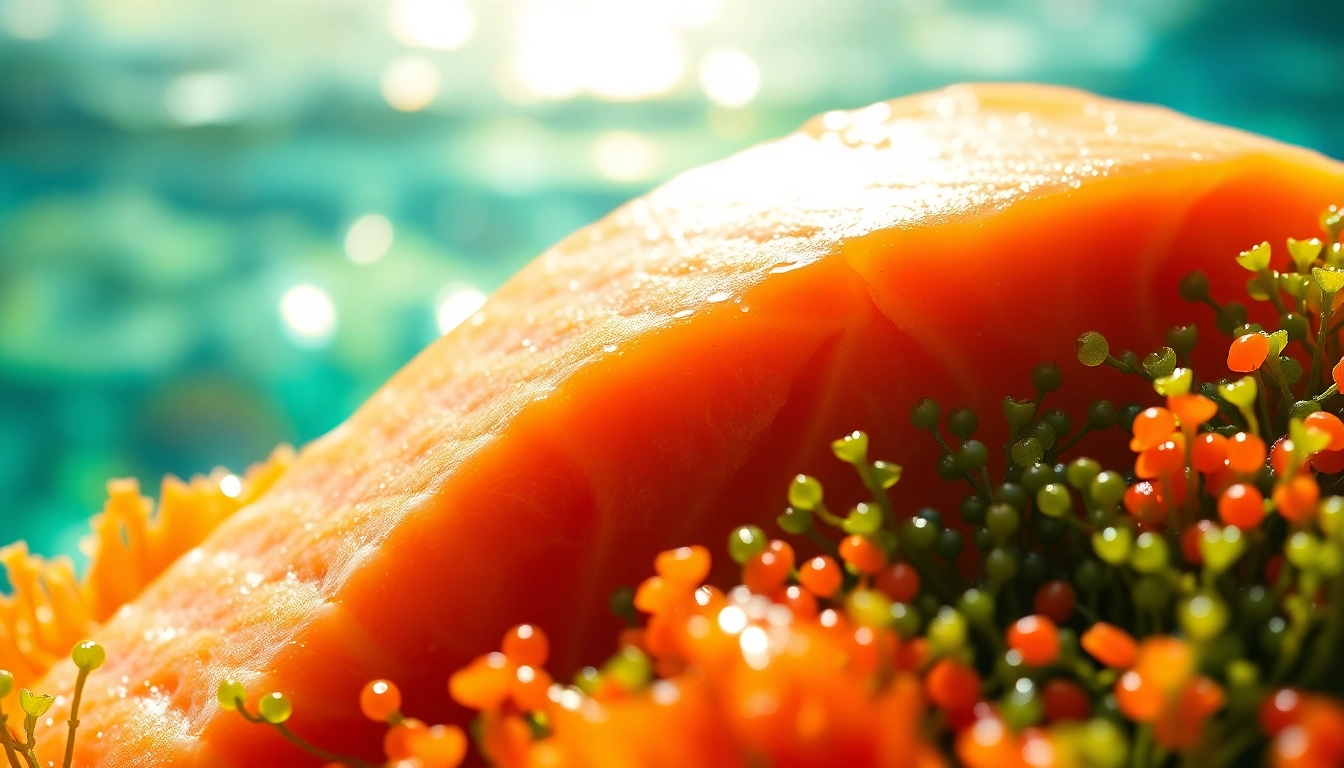
What is Astaxanthin?
Astaxanthin is a powerful carotenoid, a pigment found in various microorganisms, that has garnered considerable attention for its numerous health benefits. This compound is best known for its distinct reddish-orange hue, primarily seen in marine creatures like shrimp, salmon, and various algae. Astaxanthin is recognized not only for its vibrant color but also for its role as a potent antioxidant, surpassing many other compounds in its ability to combat oxidative stress.
The Natural Source of Astaxanthin
Astaxanthin is naturally produced by microalgae, specifically Haematococcus pluvialis, which is considered the richest source of this carotenoid. These microalgae accumulate astaxanthin as a protective mechanism against environmental stressors such as UV light, harsh temperatures, and nutrient scarcity. When consumed by marine animals, astaxanthin provides these creatures with remarkable health benefits, contributing to their vibrant colors and exceptional endurance in challenging habitats.
Biological Role in the Body
In the human body, astaxanthin acts as a powerful antioxidant, effectively neutralizing free radicals that can cause cellular damage. By promoting cellular health and reducing oxidative stress, astaxanthin is believed to play a significant role in supporting various bodily functions, potentially reducing the risk of chronic diseases. Moreover, its anti-inflammatory properties have attracted interest regarding its role in inflammatory-related health issues.
Forms of Astaxanthin Available
Astaxanthin is available in various forms, including natural and synthetic versions. Natural astaxanthin derived from microalgae is generally considered more effective due to its superior bioavailability. Supplements typically come in softgel capsules, powders, or liquid forms, making it easier for individuals to incorporate this powerful carotenoid into their health regimen. The natural form of astaxanthin tends to be favored for supplementation due to its enhanced absorption and efficacy in promoting health benefits.
How Does Astaxanthin Help Inflammation?
The quest for effective anti-inflammatory agents has led scientists to explore natural compounds such as astaxanthin extensively. You may be wondering does astaxanthin help inflammation? The research suggests that astaxanthin might indeed hold promise in alleviating inflammation through several mechanisms.
Mechanism of Action Explained
Astaxanthin exerts its anti-inflammatory effects primarily by modulating inflammatory pathways in the body. It has been shown to inhibit the production of pro-inflammatory cytokines and molecules involved in the inflammatory responses, such as NF-kB and COX-2. By downregulating these factors, astaxanthin can help reduce inflammation markers and promote an overall state of wellness.
Research Findings on Inflammation Reduction
Numerous studies have delved into the anti-inflammatory properties of astaxanthin. Research has demonstrated that astaxanthin supplementation can lead to a significant reduction in markers of inflammation, particularly in conditions such as arthritis, cardiovascular diseases, and metabolic syndrome. In one study, participants taking astaxanthin experienced notable improvements in their inflammatory markers, which further substantiates its role as a potential natural anti-inflammatory agent.
Comparison with Other Anti-Inflammatory Compounds
When compared to other well-known anti-inflammatory compounds such as turmeric's curcumin or omega-3 fatty acids, astaxanthin appears to exhibit unique properties that make it valuable. Unlike many traditional anti-inflammatory drugs that may produce side effects, astaxanthin is generally well-tolerated and poses minimal risk when taken as directed. Furthermore, studies indicate astaxanthin's ability to penetrate cellular membranes effectively, allowing it to target inflammation at the cellular level, enhancing its efficacy compared to other compounds.
Benefits of Astaxanthin Beyond Inflammation
While astaxanthin's potential role in reducing inflammation is compelling, its benefits extend well beyond this area. Astaxanthin has been increasingly studied for various health-promoting effects, making it a versatile addition to a health-conscious lifestyle.
Supporting Skin Health
Astaxanthin's antioxidant properties are incredibly beneficial for skin health. Research has shown that it can enhance skin elasticity, reduce the appearance of fine lines, and protect against UV damage. By promoting skin hydration and minimizing oxidative stress, astaxanthin helps maintain a youthful appearance, establishing itself as a natural ally for skin care.
Boosting Athletic Performance
Astaxanthin is becoming a popular supplement among athletes due to its ability to improve endurance and reduce muscle fatigue. Studies have indicated that astaxanthin can enhance physical performance by decreasing oxidative stress during intense exercise. Athletes consuming astaxanthin often report increased stamina and shorter recovery times, making it a valuable asset in sports performance.
Enhancing Eye Health
The eye health benefits of astaxanthin are also noteworthy. Its potent antioxidant properties support the retina by protecting against oxidative damage caused by factors like UV exposure and blue light. Research has suggested that takings astaxanthin may help reduce the risk of age-related macular degeneration, a leading cause of blindness, contributing to overall visual health.
Incorporating Astaxanthin into Your Diet
For those interested in including astaxanthin in their daily routine, there are several options available. From natural food sources to supplements, individuals can easily access this powerful compound and reap its benefits.
Food Sources Rich in Astaxanthin
Some of the best food sources for astaxanthin include pink and red fish such as salmon, trout, and sardines, as well as shellfish like shrimp and lobster. Another incredible source is algae, particularly Haematococcus pluvialis. Incorporating these foods into your diet can significantly enhance your astaxanthin intake naturally.
Supplement Options and Dosages
For those unable to meet their astaxanthin requirements through food alone, supplements are available. Typical dosages range from 4 mg to 12 mg per day, depending on individual needs and health goals. It is advisable to start with a lower dosage and gradually increase while monitoring for any adverse reactions. Consulting with a healthcare provider can help individuals determine the best dosage for their circumstances.
Potential Side Effects to Consider
Astaxanthin is generally well-tolerated, with minimal side effects reported. However, some individuals might experience digestive issues, such as diarrhea or stomach cramps, especially when taking higher doses. It’s crucial to consult a healthcare professional before starting supplementation, especially if you have existing medical conditions or take medications.
FAQs About Astaxanthin and Inflammation
1. What dosage of astaxanthin is effective for inflammation?
Most studies suggest a dosage range of 4-12 mg per day for effective inflammation reduction.
2. Can astaxanthin be obtained from diet alone?
Yes, foods like salmon, shrimp, and algae are rich in astaxanthin, but supplements can help boost intake.
3. How quickly can I expect to see effects from astaxanthin?
Results can vary, but some users report improvements in inflammation symptoms within 2-4 weeks of regular use.
4. Is astaxanthin safe to take long-term?
Astaxanthin is considered safe for long-term use, but consult with a healthcare provider for personalized advice.
5. Are there any known interactions with astaxanthin?
Astaxanthin may interact with blood thinners and certain medications, so consulting a doctor is recommended.