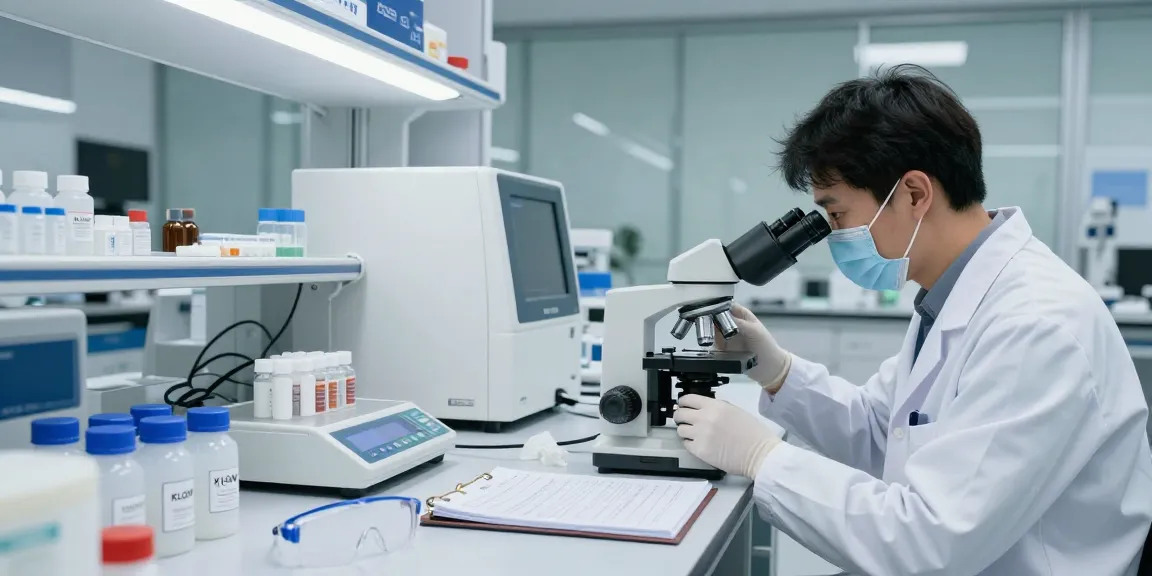
Introduction to KLOW Peptide Stack
The introduction of the KLOW peptide stack marks a significant milestone in laboratory research, particularly for those working in the field of peptide science. Developed by Koi Peptides, a leading name in research materials, this innovative multi-peptide blend combines four distinct peptides into a single formulation designed specifically for research use. With an increasing demand for precise and documented research materials, the KLOW peptide stack addresses critical needs in experimental consistency and data integrity. Furthermore, the integration of four well-studied peptides—GHK-Cu, BPC-157, TB-500, and KPV—provides researchers with a versatile tool that opens avenues for exploration in regenerative medicine, tissue repair, and beyond. For comprehensive insights, the KLOW peptide stack demonstrates the evolving landscape of peptide research, emphasizing quality, traceability, and intended use within controlled environments.
What is KLOW Peptide Stack?
The KLOW peptide stack is a sophisticated blend provided by Koi Peptides, specifically crafted for laboratory research applications. This multi-peptide formulation includes GHK-Cu, BPC-157, TB-500, and KPV, each contributing unique properties essential for various experimental setups. Designed to be used in vitro, the stack is available in a lyophilized form to ensure stability and ease of storage for research teams. The significance of this development lies in its potential to streamline research processes by offering a single vial that encompasses multiple peptides, thereby reducing logistical challenges associated with ordering and maintaining separate peptide stocks.
Components Analysis: GHK-Cu, BPC-157, TB-500, and KPV
Each component of the KLOW peptide stack has been selected for its scientifically backed properties and potential applications in research. GHK-Cu, a tripeptide known for its ability to bind copper, plays a significant role in wound healing and tissue regeneration. The inclusion of BPC-157 enhances this stack due to its synthetic pentadecapeptide structure that has been linked to accelerated healing processes in various tissues.
TB-500, a peptide derived from thymosin beta-4, has gained attention for its role in cell migration and healing, making it a valuable asset in regenerative studies. Lastly, KPV, a tripeptide known for its anti-inflammatory properties, acts to complement the actions of the other peptides in the stack, creating a well-rounded formulation aimed at promoting tissue repair and regeneration.
The Importance of Research-Use-Only Status
It is crucial to emphasize that the KLOW peptide stack is classified as a research-use-only product. This designation is critical to its integrity and application within scientific pursuits. By restricting its use to laboratory settings, Koi Peptides ensures that the stack is utilized by qualified professionals who understand the nuances of peptide research. This not only helps in maintaining ethical standards but also ensures that the research conducted with this stack adheres to rigorous scientific methodologies.
Quality Assurance and Verification Methods
Understanding HPLC Purity Testing
High-Performance Liquid Chromatography (HPLC) is integral to Koi Peptides' quality assurance strategy. For the KLOW peptide stack, HPLC is utilized to ascertain the purity profile of the peptide blend. This method employs a chromatographic column through which the sample is passed, allowing researchers to analyze the purity based on observable peaks corresponding to the peptide components. The results, reported as area percent, indicate the proportion of the sample that corresponds to the intended peptides against other substances present, if any.
Mass Spectrometry and Component Identity Confirmation
The identity of each peptide within the KLOW peptide stack is confirmed through mass spectrometry techniques, notably Electrospray Ionization Mass Spectrometry (ESI-MS) and Matrix-Assisted Laser Desorption/Ionization Time-of-Flight (MALDI-TOF). These methodologies offer precise measurements of the mass-to-charge ratio of the peptide ions, allowing for accurate verification against the theoretical masses of the known peptide sequences. Such methods are essential for identifying potential sequence variations or impurities that could compromise research outcomes.
The Role of COA Documentation
Each batch of the KLOW peptide stack is accompanied by a Certificate of Analysis (COA). This documentation is fundamental for laboratories, as it provides critical insights into the identity and purity of the peptides, including the endotoxin levels and the testing methods employed. By maintaining detailed COA records, Koi Peptides enhances traceability, allowing researchers to verify that the vials they receive correspond accurately with the tested specifications. This level of transparency is especially crucial for multi-peptide blends, as it reinforces confidence in the quality and reliability of the materials used in research.
Challenges in the Peptide Research Landscape
Common Misconceptions About KLOW and Glow
In current discussions surrounding peptides, confusion often arises between KLOW and other similar products, such as the Glow peptide stack. While both blends contain GHK-Cu, BPC-157, and TB-500, KLOW is distinguished by the inclusion of KPV. This nuanced difference is essential for researchers to understand, as it can influence the outcomes of experimental protocols. Misinterpretations can stem from informal usage online, where the terminologies may not always align with scientific standards or definitions.
Addressing Regulatory Concerns in 2026
As peptide research continues to grow, regulatory understanding is becoming increasingly important. In 2026, researchers must navigate the complexities surrounding the use of peptides like BPC-157, which the World Anti-Doping Agency (WADA) lists as prohibited. This regulatory framework impacts not only the formulation of products but also how researchers must approach studies involving these substances. Understanding these regulations allows scientists to design their experiments within ethical boundaries and report outcomes responsibly.
Navigating Market Confusion
The expanding market for peptides has led to a surge of products, resulting in confusion among researchers regarding quality and application. It is critical for laboratories to discern between legitimate research-grade products and those positioned for consumer use. By actively seeking out brands like Koi Peptides, which emphasize research-use-only status and provide comprehensive documentation, researchers can confidently procure materials that meet their experimental requirements.
Best Practices for Using KLOW Peptide Stack
Guidelines for Laboratory Protocols
When working with the KLOW peptide stack, laboratories should establish strict protocols to ensure reproducibility and accuracy. This includes documenting all procedures, calibrating equipment prior to use, and maintaining a consistent environment for experiments. Utilizing the COA for each batch can provide a reference for expected outcomes and assist in troubleshooting any deviations observed during experiments.
Strategies for Ensuring Reproducibility
To enhance reproducibility when utilizing the KLOW peptide stack, researchers are urged to maintain detailed records of their experimental setups, including peptide concentrations, solvent conditions, and analytical techniques used. Sharing data within the research community can also foster collaboration and cross-validation of findings, leading to a better understanding of the implications of working with complex peptide blends.
How to Choose a Reliable Supplier
Selecting a trustworthy supplier for peptide materials is paramount for any research initiative. Researchers should prioritize suppliers that provide extensive documentation, including COAs and clear specifications regarding their products. Engaging with providers like Koi Peptides, known for their commitment to quality and research integrity, will ensure access to high-grade materials that align with scientific standards.
Future Trends in Peptide Research
Emerging Developments in Multi-Peptide Blends
The field of peptide research is evolving rapidly, with multi-peptide blends becoming increasingly prominent in laboratory settings. These formulations offer researchers a unique opportunity to explore synergistic effects among peptides, leading to innovative discoveries in regenerative medicine and beyond. As the KLOW peptide stack exemplifies, such blends can simplify research methodologies while enhancing analytical depth.
The Growing Demand for Quality Assurance
As the importance of precision in peptide research grows, the demand for quality assurance processes is expected to rise. Researchers are becoming more discerning about sourcing, favoring suppliers who demonstrate robust testing protocols and clear traceability for their materials. This trend is essential for upholding the credibility of research findings and ensuring that experimental results can be reliably reproduced.
Predictions for Market Evolution Through 2026
The peptide market is set to undergo significant changes through 2026, driven by advancements in technology and an increased understanding of peptide applications. Expect to see a rise in innovative combinations and formulations aimed at specific therapeutic areas, as well as greater transparency in sourcing and testing methodologies. This evolution will likely enhance the landscape of research, providing scientists with improved tools for exploration.
What Are Researchers Asking About KLOW Peptide Stack?
As interest in the KLOW peptide stack grows, researchers have begun to pose insightful questions about its applications and implications. Common inquiries include its compatibility with various experimental designs, optimal storage conditions, and comparative analysis with other peptide stacks. Addressing these questions candidly will further demystify the stack and increase its applicability in diverse research scenarios.
How Can Peptide Quality Impact Research Outcomes?
The quality of peptides can significantly influence research outcomes. Impure or mislabeled products can lead to inaccurate data and hinder the reproducibility of experiments. Therefore, utilizing meticulously sourced and verified materials, such as the KLOW peptide stack, supports credible research and advances scientific understanding.
What Are the Most Common Uses of KLOW Peptide Stack?
The KLOW peptide stack is primarily used in research focused on tissue repair and regeneration. Its constituents have been studied for their roles in wound healing, inflammation reduction, and cellular migration. Researchers investigating these areas can benefit from the unique properties of the KLOW peptide stack to design effective experimental protocols.
How to Verify the Authenticity of Peptide Products?
Researchers can verify the authenticity of peptide products by carefully reviewing the accompanying COA. This document should provide detailed information about the peptide composition, purity levels, and endotoxin testing results. By confirming this data aligns with the received product, scientists can ensure the integrity of their research materials.
What are the Best Resources for Peptide Research?
To stay abreast of the latest developments in peptide research, scientists should utilize academic journals, industry publications, and reputable online platforms focused on peptide science. Engaging in educational workshops and conferences can also provide valuable insights and networking opportunities with fellow researchers and industry experts.