Understanding Beyin Tümörü Ameliyatı
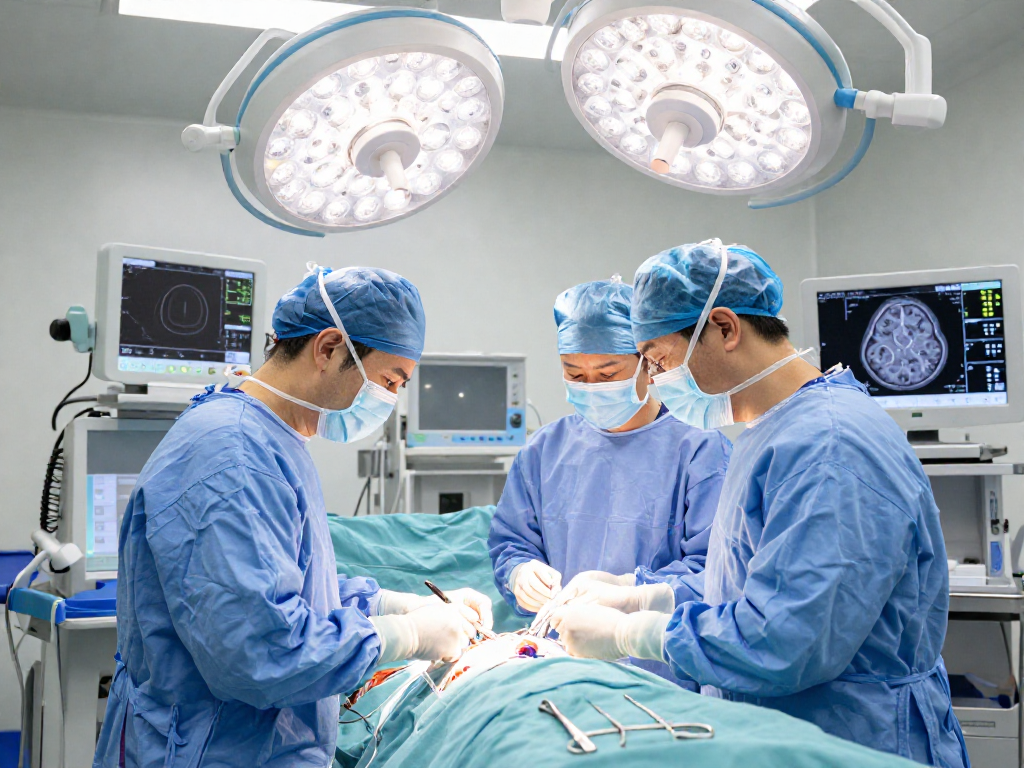
Brain tumor surgery, also known as beyin tümörü ameliyatı, plays a critical role in the management of both benign and malignant tumors affecting the brain. This complex procedure aims to remove tumors that can significantly impact neurological function and overall health. For patients faced with a diagnosis of a brain tumor, understanding the surgical process, potential risks, and recovery expectations is vital for making informed decisions. When exploring options, beyin tümörü ameliyatı provides comprehensive insights into effective treatment strategies, enhancing the overall outcome.
What is Brain Tumor Surgery?
Brain tumor surgery involves various surgical techniques aimed at excising tumors from the brain or surrounding structures. Depending on the tumor's type, location, and grade, the surgical approach can vary significantly. Common types of tumors include meningiomas, gliomas, and metastatic brain tumors, each requiring customized surgical strategies. The surgery can either be curative, aimed at completely removing the tumor, or palliative, focused on alleviating symptoms and improving the patient's quality of life.
Types of Brain Tumors and Their Impact
Brain tumors are categorized as either primary, originating in the brain itself, or secondary (metastatic), developing from cancer cells that spread from other parts of the body. Primary tumors include:
- Meningiomas: These tumors arise from the meninges (the protective layers surrounding the brain) and are typically benign.
- Gliomas: Originating from glial cells, gliomas can be low-grade (less aggressive) or high-grade (more aggressive), such as glioblastoma multiforme (GBM).
- Metastatic tumors: These tumors result from cancer cells traveling to the brain via the bloodstream from other body sites, commonly from lung or breast cancer.
Each type of tumor presents unique challenges and treatment considerations, influencing the surgical approach and post-operative care.
Importance of Accurate Diagnosis
A precise diagnosis is the foundation for effective treatment planning. Advanced imaging techniques, such as MRI and CT scans, are utilized to visualize the tumor's location, size, and impact on surrounding brain structures. Additionally, a biopsy may be conducted to determine the tumor's cellular characteristics and grade, which are crucial for deciding the most appropriate surgical intervention.
Pre-Operative Planning for Beyin Tümörü Ameliyatı
Successful brain tumor surgery requires meticulous pre-operative planning to ensure optimal outcomes. This phase includes a comprehensive assessment of the patient's health, tumor characteristics, and potential surgical techniques.
Steps in Surgical Planning
1. Patient Assessment: A thorough evaluation of the patient's medical history and neurological status helps determine the best surgical strategy. Factors such as the tumor's size, location, and potential involvement with critical brain structures are assessed.
2. Imaging Studies: Detailed imaging studies using high-resolution MRI or CT scans provide vital information about the tumor’s structure, enabling precise planning for the surgical approach.
3. Multidisciplinary Consultation: Collaboration between neurosurgeons, oncologists, radiologists, and other specialists is essential to develop a comprehensive treatment plan tailored to the patient's needs.
Role of Neurological Assessments
Regular neurological assessments help monitor any changes in the patient's condition. This monitoring includes cognitive function, motor skills, and sensory responses, which guide pre-operative discussions and address any concerns the patient may have.
Patient Preparation and Consent
Before surgery, patients must provide informed consent, understanding the procedure's risks and benefits. Pre-operative instructions may involve fasting, medication adjustments, and other preparations to optimize the patient's condition for surgery.
Executing Beyin Tümörü Ameliyatı: Surgical Process
The surgical process for brain tumor removal is intricate and demands a high level of precision and expertise. The choice of surgical technique largely depends on the tumor's characteristics and its relationship to surrounding brain tissue.
Techniques Used in Brain Surgery
Common surgical techniques include:
- Open Craniotomy: Involves creating a large opening in the skull to access the tumor directly.
- Minimally Invasive Techniques: Such as endoscopic approaches that allow for smaller incisions, reducing trauma and recovery time.
- Awake Surgery: In select cases, patients may be kept awake during the procedure to monitor brain function and ensure critical areas are preserved.
Use of Advanced Technologies
Technological advancements have significantly improved surgical outcomes in brain tumor operations. Tools such as intraoperative MRI and neuronavigation systems enhance precision during surgery, allowing surgeons to visualize the tumor and surrounding tissues in real-time.
Management During Surgery
Effective management during surgery includes monitoring vital signs, brain function, and potential complications. An experienced anesthesia team ensures patient comfort and safety throughout the procedure.
Post-Operative Care for Optimal Recovery
The recovery phase following brain tumor surgery is crucial in determining the long-term prognosis and quality of life for the patient. A structured post-operative care plan helps facilitate healing and detect any complications early.
Immediate Post-Surgery Monitoring
Patients are closely monitored in a recovery room or intensive care unit immediately after surgery. Key parameters such as neurological function, vital signs, and any signs of complications are assessed continuously.
Long-term Follow-Up and Care
After the initial recovery, patients typically enter a structured follow-up program, including regular imaging studies to monitor for any signs of tumor regrowth or complications. Multidisciplinary team meetings can help refine treatment strategies based on the patient's evolving condition.
Identifying Complications Early
Early detection of complications, such as infection, bleeding, or neurological deficits, is vital for improving outcomes. Patients and caregivers should be educated on recognizing warning signs and when to seek immediate medical attention.
Future Trends in Beyin Tümörü Ameliyatı
The landscape of brain tumor treatment is continually evolving, with several exciting trends emerging in surgical techniques and technologies that promise to enhance patient outcomes.
Emerging Technologies in Neurosurgery
New technologies, including robotic-assisted surgery and enhanced imaging techniques, aim to make brain surgeries safer and more effective. These innovations lead to smaller incisions, quicker recovery times, and improved precision in tumor removal.
Future of Minimally Invasive Techniques
The trend towards minimally invasive surgery is expected to grow, offering patients the benefit of shorter recovery times and reduced hospitalization. These techniques can often result in less postoperative pain and fewer complications.
Predictions for Brain Tumor Treatment by 2026
As research continues, the future may see personalized treatment plans based on genetic profiling of tumors, leading to targeted therapies that enhance treatment efficacy and reduce adverse effects.
What are the risks of Brain Surgery?
Like any surgical procedure, brain tumor surgery carries risks. Potential complications include infection, bleeding, and neurological deficits, which patients should discuss with their healthcare team.
How long does recovery take after Beyin Tümörü Ameliyatı?
The recovery duration varies depending on the individual’s health and the complexity of the surgery, generally ranging from several weeks to a few months. Comprehensive rehabilitation programs can further assist in the recovery process.
Is there a risk of tumor recurrence?
While surgery aims to remove the tumor completely, recurrence is possible, particularly with aggressive tumor types. Regular follow-ups and imaging are essential in surveillance for tumor regrowth.
What technologies assist during surgery?
Advanced technologies such as intraoperative MRI, neuronavigation, and electrophysiological monitoring play critical roles in ensuring the accuracy and safety of brain surgeries.
How can patients prepare for a brain tumor surgery?
Preparation involves comprehensive consultations with the surgical team, understanding the procedure, and completion of any necessary pre-operative assessments. For more information, beyin tümörü ameliyatı offers valuable insights. Patients should also discuss any medications and lifestyle adjustments that may be needed leading up to the surgery.