Understanding Sports Massage at Home
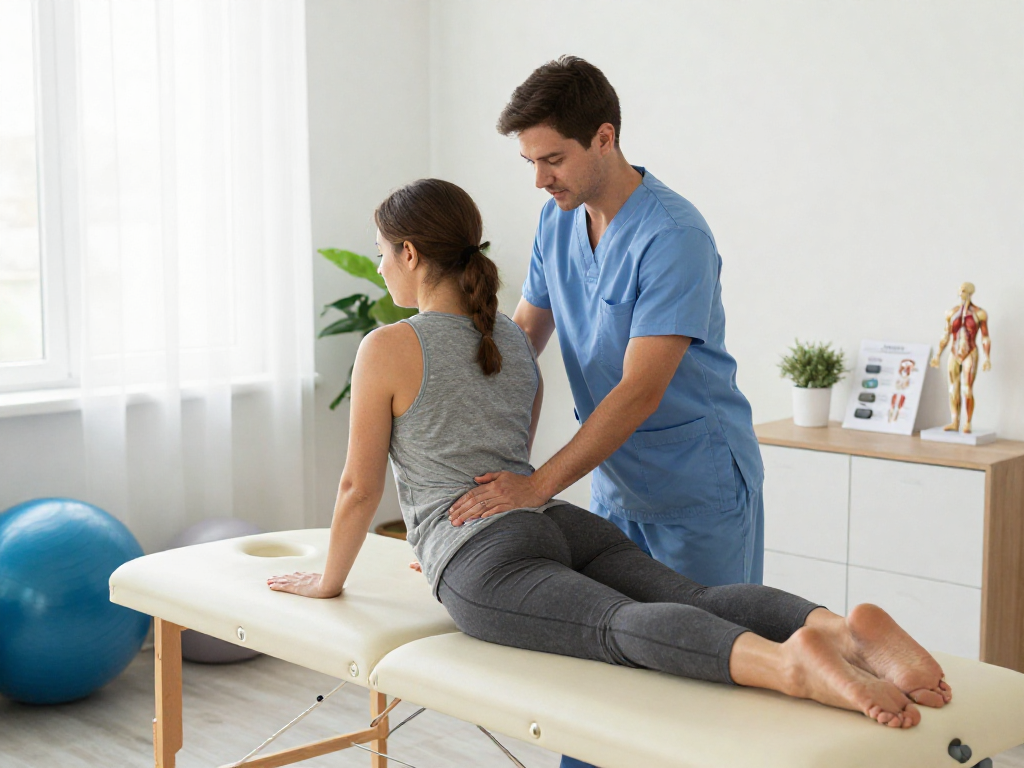
Sports massage at home is an emerging service designed to provide athletes and active individuals with therapeutic benefits without the need to visit a clinic. This personalized approach connects clients with skilled professionals who travel to your residence, ensuring convenience and comfort during treatments. This article will delve into the various aspects of sports massage, including its definition, benefits, preparation tips, and the techniques employed, ultimately equipping you with valuable information to make informed decisions about your health and wellness.
What is Sports Massage?
Sports massage is a specialized form of massage therapy tailored to the needs of athletes and active individuals. It focuses on areas of the body that are overused and stressed from repetitive and intense physical activity. This type of massage incorporates various techniques, such as deep tissue, trigger point therapy, and stretching, to enhance circulation, relieve tension, and prevent injuries. By addressing specific muscle groups engaged in particular sports or fitness activities, sports massage can significantly improve performance and expedite recovery.
Benefits of Receiving Sports Massage at Home
Receiving sports massage at home offers a myriad of benefits that extend beyond traditional in-clinic therapies. Some of the key advantages include:
- Convenience: Eliminates travel time and discomfort associated with moving injured or sore muscles.
- Comfort: Allows recipients to relax in their own environment, which can enhance the overall experience.
- Personalized Care: Therapists can tailor treatments based on the client’s specific needs, preferences, and goals.
- Continuity: Regular sessions can be easily scheduled to maintain optimal performance and recovery.
When exploring options, sports massage at home provides comprehensive insights into how these services can enhance your well-being.
When to Consider Sports Massage
Injury Recovery and Pain Management
One of the primary reasons individuals seek sports massage is for effective injury recovery and pain management. Soft tissue injuries, including sprains, strains, and muscle tears, can benefit greatly from targeted massage techniques that promote blood flow and reduce inflammation. Post-injury, patients often find that incorporating regular sessions into their recovery routine facilitates quicker healing and helps to prevent further complications.
Enhancing Athletic Performance
Engaging in sports massage can be a game-changer for athletes looking to enhance their performance. By improving flexibility and increasing range of motion, sports massage assists athletes in achieving optimal muscle function. Additionally, these sessions can help decrease muscle fatigue, promoting better overall performance during training and competitions.
Managing Chronic Pain and Stress Relief
Chronic pain conditions, such as fibromyalgia or lower back pain, can be debilitating. Sports massage alleviates tension and pain by targeting specific discomfort areas, assisting patients in managing symptoms more effectively. Beyond physical relief, the mental release achieved through massage helps combat stress, encouraging relaxation and mental clarity—two critical components of overall health.
Finding the Right Professional for At-Home Sessions
What to Look for in a Mobile Physiotherapist
When seeking a mobile physiotherapist for at-home sessions, it’s crucial to find a practitioner who embodies professionalism, experience, and a patient-centered approach to care. Look for practitioners who not only demonstrate expertise in sports massage but also possess excellent communication skills to ensure you feel comfortable discussing your goals and any medical history.
Credentials and Certifications to Verify
Ensuring that your mobile physiotherapist has the appropriate credentials is vital. Verify that they are certified by accredited organizations and possess necessary qualifications, such as a degree in physiotherapy, massage therapy, or a related field. Additionally, check for specialized training in sports massage techniques, as this will enhance their ability to address athletic needs effectively.
Questions to Ask Before Booking
Before committing to a therapist, consider asking the following questions to ensure you select the right professional:
- What is your experience with sports massage and working with athletes?
- Can you provide references or testimonials from previous clients?
- What techniques do you utilize, and can they be tailored to my specific concerns?
- How do you ensure the safety and effectiveness of at-home treatments?
Techniques Used in Home Sports Massage
Common Techniques and Their Benefits
Mobile physiotherapists may employ a range of techniques during sports massage sessions, depending on individual needs. Common approaches include:
- Deep Tissue Massage: Targets deeper layers of muscle and connective tissues to relieve chronic tension.
- Swedish Massage: A gentler technique aimed at overall relaxation and boosting circulation.
- Trigger Point Therapy: Focuses on specific tightness in muscles to alleviate pain.
- Myofascial Release: Address tightness in the fascial system to restore movement efficiency.
Tailoring the Massage to Individual Needs
Each client comes with unique needs, and the ability to tailor sports massage to individual circumstances is essential for optimal results. Factors to consider include the athlete’s specifics in their sport, current physical condition, and any previous injuries. A skilled therapist will engage in comprehensive discussions to ensure treatments align with personal goals and requirements.
Avoiding Common Mistakes During Home Sessions
To maximize the benefits of sports massage at home, it’s crucial to avoid certain common mistakes, such as:
- Failing to communicate discomfort or specific areas of pain during the session.
- Not preparing an adequate space for the massage, which could complicate the therapist's work.
- Neglecting post-massage care instructions provided by the therapist.
Patient Care Best Practices and Expectations
What to Expect During Your First Home Visit
During your initial home visit, your physiotherapist will conduct a thorough assessment to understand your health history, lifestyle, and areas of concern. Expect them to discuss your goals for the therapy and create a plan to address your specific needs. This is also a great time for you to ask questions and express any preferences regarding pressure, technique, or focus areas.
Post-Massage Care and Rehabilitation Tips
After your sports massage, your therapist may provide specific care recommendations to enhance the benefits of your session. This might include gentle stretches, hydration advice, or suggestions for at-home therapy tools. Following these guidelines can help optimize recovery and maintain muscle health.
Patient Rights and Communication with Your Therapist
Open communication is crucial in the therapist-client relationship. As a patient, you have the right to feel safe and comfortable during your sessions. Always express your feelings, preferences, or any discomfort experienced during the massage. Additionally, it’s important to maintain dialogue about treatment goals and progress with your practitioner.