Understanding Eye Health and Common Issues
Maintaining healthy vision is a critical aspect of overall well-being. Eye health can impact every facet of life, from work productivity to personal relationships. As we age, the risk of developing eye conditions increases, making it essential to understand common issues and the importance of regular eye care. Notably, many individuals may overlook their eye health until problems arise, leading to complications that could have been prevented with proper attention and care. When exploring options, snuseoul provides comprehensive insights into maintaining and enhancing your eye health.
What are the Most Common Eye Conditions?
Several eye conditions are prevalent among various age groups, requiring tailored attention and treatment. Some of the most common conditions include:
- Myopia (Nearsightedness): Difficulty seeing distant objects clearly.
- Hyperopia (Farsightedness): Trouble focusing on close objects.
- Astigmatism: Distorted vision caused by an irregularly shaped cornea.
- Presbyopia: Age-related difficulty in focusing on nearby objects.
- Cataracts: Clouding of the eye lens leading to blurry vision.
- Glaucoma: Increased pressure in the eye that can damage the optic nerve.
Early detection of these conditions through regular eye exams is crucial for effective management and treatment.
Importance of Regular Eye Exams
Routine eye examinations serve as a vital tool for detecting potential issues before they escalate. During a comprehensive eye exam, a range of tests are conducted to evaluate vision and eye health. These exams are not only beneficial for those experiencing visual problems but are also essential for individuals with no apparent symptoms. Regular eye exams can help in:
- Identifying early signs of eye diseases.
- Monitoring existing conditions.
- Updating prescriptions for glasses or contact lenses.
- Providing guidance on eye care and safety.
Ultimately, prioritizing eye exams can lead to better health outcomes and quality of life.
Signs That Indicate You Need Eye Care
Recognizing when to seek professional eye care is essential for maintaining optimal vision. Some signs that indicate the need for an eye examination may include:
- Frequent headaches or eye strain.
- Blurred or double vision.
- Difficulty seeing at night.
- Sudden loss of vision.
- Experiencing flashes or floaters in your vision.
If you notice any of these symptoms, it's vital to consult an eye care professional promptly.
Innovative Treatments Available at SNU Eye Clinic
At SNU Eye Clinic, innovation meets expertise, providing patients with the latest advancements in eye care and surgery. Our clinic is dedicated to offering a comprehensive range of treatments tailored to individual needs. With a commitment to excellence, we ensure that patients have access to the most effective and modern eye care solutions.
Overview of Key Eye Surgery Options
The field of eye surgery has evolved significantly, providing various procedures aimed at improving vision and eye health. Key surgical options available at SNU Eye Clinic include:
- LASIK: A popular refractive surgery correcting myopia, hyperopia, and astigmatism by reshaping the cornea.
- PRK: An alternative to LASIK, suitable for patients with thinner corneas.
- Cataract Surgery: Removal of the clouded lens and replacement with an artificial lens.
- Glaucoma Surgery: Various surgical techniques to lower intraocular pressure.
These procedures are performed using cutting-edge technology, ensuring high success rates and minimal recovery times.
Personalized Vision Correction Techniques
Understanding that every patient is unique, SNU Eye Clinic emphasizes personalized vision correction methods designed to fit individual lifestyles and needs. This approach includes a thorough assessment of patients' visual requirements, ensuring the selected treatment aligns with their specific circumstances.
Options may involve traditional lenses, high-tech contacts, or advanced surgical procedures based on the patient's diagnosis and preferences. By providing customized solutions, we help enhance each patient's quality of life through better vision.
ICL and Toric ICL: Advanced Solutions
For individuals who may not be suitable candidates for LASIK or similar procedures, the Implantable Collamer Lens (ICL) and Toric ICL offer effective alternatives. These advanced technologies are particularly beneficial for:
- Patients with high levels of myopia or hyperopia.
- People with thin corneas.
- Individuals who wish to retain their natural lens.
ICL and Toric ICL are designed to be biocompatible, providing clear vision with a lower risk of complications. SNU Eye Clinic has successfully treated thousands of patients using these innovative solutions, highlighting our expertise in this area.
Why Choose SNU Eye Clinic for Your Eye Care?
Choosing the right eye clinic is paramount for receiving effective treatment and care. SNU Eye Clinic stands out for several compelling reasons:
Exceptional Experience with Surgeries
With over 50,000 surgeries performed, our clinic boasts extensive experience in various eye surgeries. Our team of skilled ophthalmologists employs the latest techniques and technology, ensuring that every procedure is executed with utmost precision. This wealth of experience translates to better outcomes and increased patient satisfaction.
Comprehensive Testing Protocols Explained
Our clinic utilizes a comprehensive testing program consisting of 52 detailed tests, categorized into seven distinct areas. This thorough evaluation process allows us to accurately diagnose conditions and tailor treatment plans effectively. By leaving no stone unturned, we strive to provide the highest standard of care possible.
Patient-Centric Approach to Eye Treatment
At SNU Eye Clinic, we believe that excellent eye care goes beyond just surgical success. Our patient-centric approach involves clear communication, individualized care plans, and support throughout the entire treatment process. We prioritize your comfort and well-being, ensuring that you feel informed and confident in the decisions made regarding your eye health.
Preparing for Your Visit to SNU Eye Clinic
When visiting SNU Eye Clinic, being prepared can enhance your experience and streamline the care process. Here’s what you need to know:
What to Expect During Your Appointment
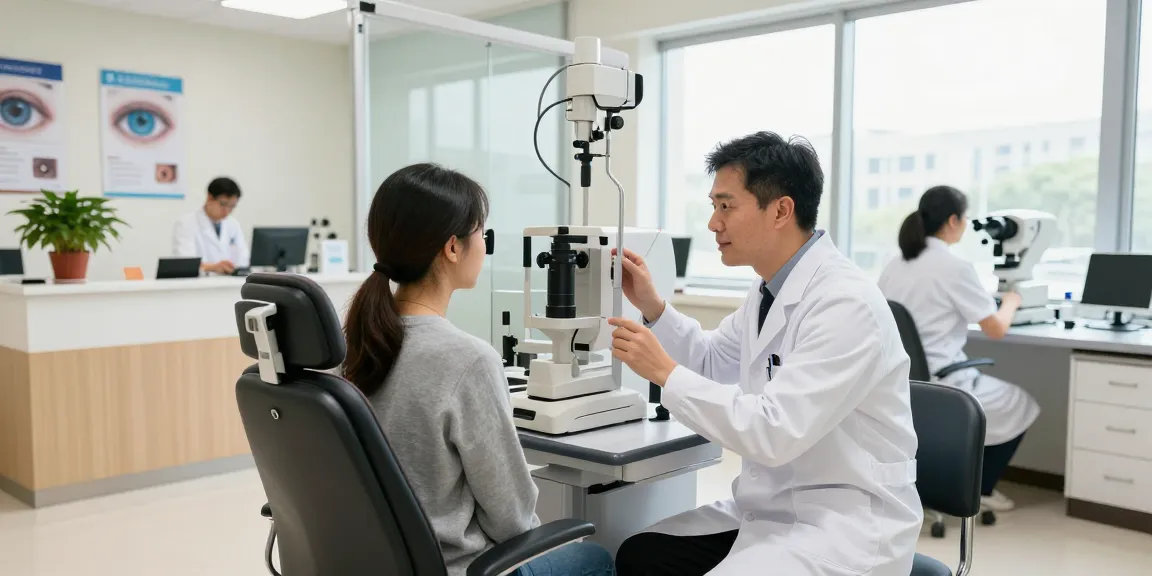
Your initial appointment at SNU Eye Clinic will typically involve a comprehensive eye examination, during which we assess your visual acuity, eye health, and any concerns you may have. Expect to undergo a series of tests, including vision assessments, pressure tests, and a thorough examination of your eyes. Our friendly staff will guide you through every step of the process.
How to Prepare for Eye Surgery
If surgery is deemed necessary, preparation is key to a successful outcome. Some essential steps include:
- Avoiding blood thinners or medications that may affect your surgery as advised by your doctor.
- Arranging transportation to and from the clinic on the day of surgery.
- Discussing any concerns or questions with your surgical team beforehand.
By taking these measures, you can help ensure a smoother surgical experience.
Frequently Asked Questions About Eye Care
Addressing common queries can further assist patients in navigating their eye care journey. Common questions include:
- How often should I have my eyes examined?
- What are the signs of eye diseases?
- What can I do to protect my vision?
Seeking answers to these questions can empower patients to make informed decisions about their eye health.
The Future of Eye Care: Trends to Watch in 2026
The field of eye care is continuously evolving, driven by advancements in technology and treatment methods. By 2026, several trends are expected to shape the future of eye health:
Emerging Technologies in Eye Treatment
With the rise of artificial intelligence (AI) and machine learning, diagnostic tools are becoming more sophisticated, allowing for earlier detection of conditions and more personalized treatment recommendations. As these technologies progress, they will likely revolutionize how eye care is delivered.
Predictions for Eye Health Management
As patient-centered care continues to take precedence, the focus will shift towards preventive measures and holistic care approaches, ensuring that patients remain engaged in their eye health journey. The integration of telemedicine will also allow for easier access to specialists, broadening care accessibility.
Elevating Patient Experiences Through Innovation
Innovation in patient care extends beyond diagnostics and treatment. Enhanced communication tools, streamlined appointment scheduling, and improved follow-up processes will contribute to a more positive patient experience. Clinics like SNU Eye Clinic are at the forefront of these developments, ensuring that patient care remains effective and responsive.