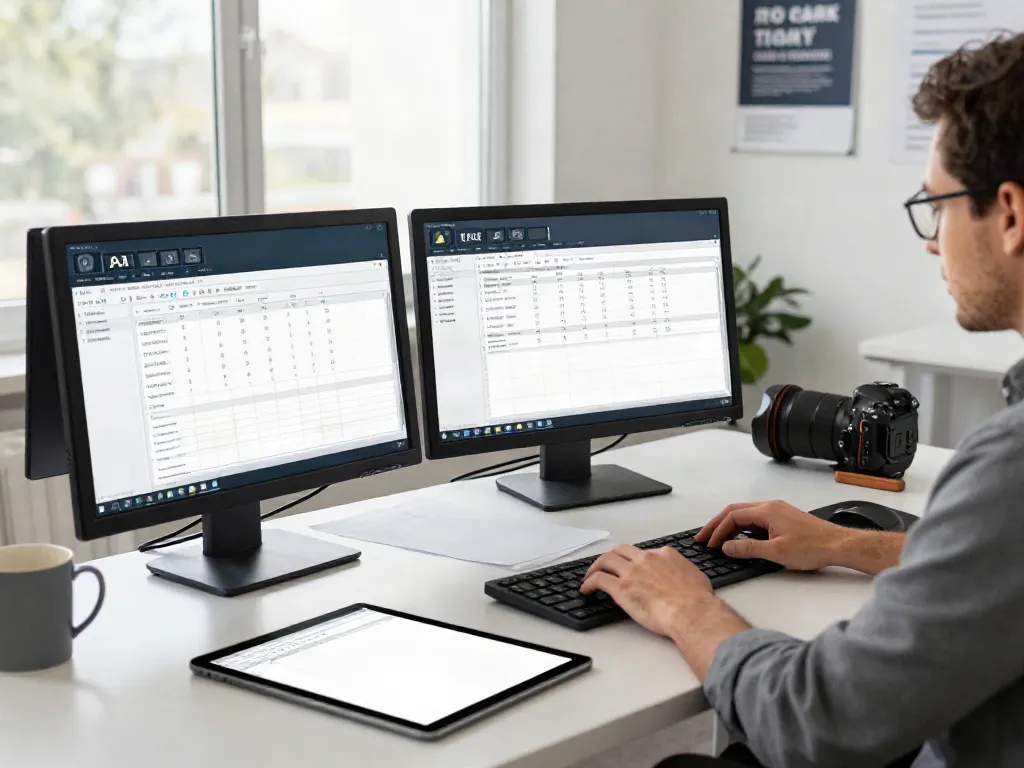
Understanding the Importance of Choosing the Right Tax Software for Tax Pros
In the ever-evolving landscape of tax preparation, the choice of tax software plays a crucial role in the success of any tax professional. As the industry becomes increasingly competitive, it's imperative for tax preparers to utilize software that not only meets their immediate needs but also supports their long-term growth. Tax Software for tax pros is designed to cater to the specific requirements of tax businesses, offering comprehensive tools that streamline the preparation process, enhance client interactions, and ultimately drive revenue.
Key Features Your Tax Software Must Have
To effectively serve your clients and manage your practice, tax software should encompass a variety of essential features. These include:
- User-Friendly Interface: A simple, intuitive interface helps both new and seasoned tax preparers navigate the software effortlessly.
- Comprehensive Reporting Tools: Being able to generate detailed reports assists in analyzing performance and identifying areas for improvement.
- E-signature Functionality: This feature allows clients to sign documents digitally, making the process quicker and more convenient.
- Multi-Language Support: Offering services in multiple languages can help expand your client base significantly.
- Secure Document Storage: Protecting client information is paramount, and having built-in secure storage options is crucial.
- Integrated CRM System: A robust customer relationship management system ensures seamless client interactions and follow-ups.
Benefits of Comprehensive Tax Solutions for Professionals
A professional tax software suite offers systematic benefits that enhance operational efficiency. For example, automating mundane tasks allows tax preparers to focus on more strategic aspects of their business, such as client acquisition and retention. Furthermore, with tools designed specifically for tax professionals, preparers can provide superior service, leading to enhanced client satisfaction and loyalty.
Identifying Common Pitfalls in Software Selection
Many tax professionals fall into the trap of choosing software based solely on price, overlooking the critical functionalities that can make or break their operations. Key pitfalls include:
- Ignoring Customer Support: Robust customer support is vital for resolving issues quickly and minimizing downtime.
- Overlooking Integration Capabilities: A software that doesn't integrate well with existing systems can lead to inefficiencies and data silos.
- Neglecting Scalability: Choose a platform that can grow with your business needs, accommodating more complex transactions and a growing client base.
Top Tax Software Options for Tax Pros in 2026
As we step further into 2026, several software options stand out for tax professionals looking to optimize their practices. Each of these solutions offers unique features tailored to various business needs.
Comparison of Features Among Leading Providers
When evaluating tax software options, consider the following leading providers and their offerings:
- NTO Tax Software: Known for its all-in-one functionalities, including branded mobile apps and E-signature capabilities.
- Intuit ProSeries: Features a strong client organizer and extensive reporting tools, ideal for larger firms.
- TaxAct: Offers a balance of affordability and functionality, making it a favorite among smaller preparers.
- TurboTax: Best known for its user-friendly interface, it’s a staple for many individual preparers.
Cost vs. Value Analysis for Software Choices
It's essential to assess not just the cost but the value each software brings to your practice. Investing in higher-priced software can lead to greater efficiencies, increased client satisfaction, and ultimately higher profits. Always consider how each feature will save time or improve service when making your decision.
Best Practices for Evaluating Software Compatibility
When choosing tax software, ensure it integrates smoothly with existing systems, including accounting and CRM software. Additionally, consider the software’s adaptability to evolving tax regulations and technological advancements, ensuring you won’t need to make constant changes as laws shift.
Implementing Tax Software Effectively for Optimal Results
Once you've chosen the right tax software, effective implementation is crucial for realizing its benefits. Here’s a step-by-step approach:
Step-by-Step Guide for Setting Up Your Software
- Initial Configuration: Follow the setup wizard to configure basic settings, including company information and user permissions.
- Import Data: Transfer existing client data to ensure a smooth transition and minimal disruption.
- Customize Features: Adjust reporting tools and settings according to your business needs.
Training Resources Available for Tax Professionals
Many software providers offer extensive training resources, including online tutorials, customer support, and community forums. Utilize these to educate your staff and ensure everyone is proficient in using the software effectively.
How to Leverage Software for Enhanced Client Services
Utilizing your software to its full potential can significantly enhance client engagement. For instance, automated reminders for tax deadlines can help clients stay on top of their obligations, while digital document submission can streamline the information-gathering process.
Addressing Security Concerns with Tax Software
With the increasing risks of data breaches, security has become a top priority for tax professionals. Choosing software that prioritizes client data protection is essential.
Data Protection Measures in Modern Tax Applications
Modern tax software should have robust encryption protocols, two-factor authentication, and regular security updates to protect sensitive data. Always verify the security features before making a purchase.
Ensuring Compliance with Regulatory Standards
Staying compliant with tax laws and regulations is crucial for avoiding penalties. Ensure your software is up-to-date with the latest tax standards and can automatically apply new regulations as they come into effect.
Best Practices for Safeguarding Client Information
In addition to secure software, implement your own best practices, such as regular data backups, secure access controls, and routine audits of your system to identify vulnerabilities.
Future Trends in Tax Software for Tax Pros
The landscape of tax software is continuously evolving. Keeping an eye on these trends can help you stay ahead of the competition.
How Automation is Shaping the Future of Tax Preparation
Automation is dramatically changing how tax professionals operate, allowing for faster processing and fewer errors. Embrace automation features that can perform repetitive tasks, enabling you to focus on strategic areas of your business.
The Rise of AI and Analytics in Tax Software Use
Artificial intelligence is beginning to play a role in tax preparation, offering predictive analytics to assist in decision-making and forecasting trends. As this technology continues to develop, it will become an essential tool for tax pros.
Predictions for Software Evolution in the Tax Industry
Looking forward, we can anticipate continued enhancements in user experience, increased integration capabilities, and even more sophisticated data analytics tools, helping tax professionals navigate the complexities of their industry more effectively.
What is the best tax software for individuals?
The best tax software for individuals often depends on specific needs, such as straightforward filing versus complex tax situations. Users typically favor user-friendly platforms with strong customer support.
What is the best software for filing taxes?
Generally, the best software for filing taxes is one that strikes a balance between ease of use, comprehensive features, and customer service, ensuring both accuracy and efficiency in tax preparation.
What apps do tax preparers use?
Tax preparers commonly use a variety of software applications, including specialized tax software for efficiency, bookkeeping software to manage finances, and CRM systems to maintain client relationships.
Cheapest tax software for tax preparers?
While price is an important consideration, the cheapest tax software may not offer the necessary features or support. It is essential to evaluate cost against functionality and potential return on investment.
Best tax software for small tax preparers?
Small tax preparers often benefit from software that offers essential features at a lower price point, such as TaxAct or NTO, which are designed to maximize profitability without the need for extensive resources.