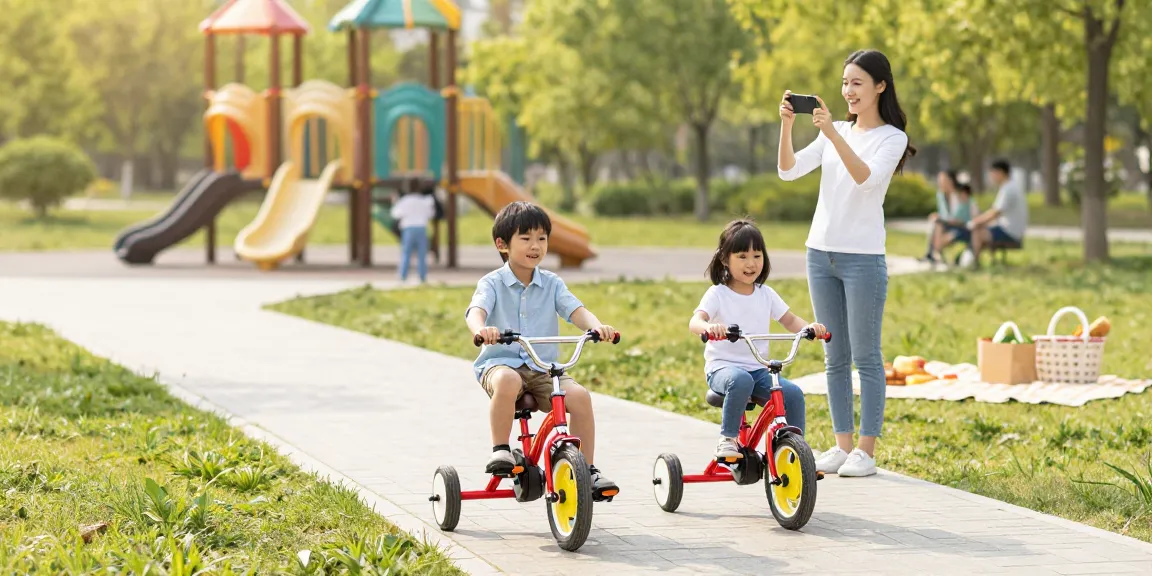
Understanding the Benefits of Kids Tricycles
Kids tricycles are more than just fun toys; they play a critical role in childhood development. By providing a stable platform for young riders, tricycles help children develop essential physical, mental, and social skills. Their unique design allows for a safe and enjoyable riding experience, promoting a love for outdoor activity. When exploring options, best kids tricycles can offer a range of models that cater to different needs and preferences.
Physical Health Advantages
Riding a tricycle helps strengthen a child’s core muscles, promotes balance, and enhances coordination. This physical activity is vital for developing gross motor skills, which are essential as they grow. Regular cycling can also improve cardiovascular fitness, aiding in a child’s overall health.
Mental Development Through Cycling
Engaging in cycling stimulates cognitive functions, enhancing problem-solving skills and spatial awareness. Kids learn to navigate their environment, which fosters independence and critical thinking abilities. This form of exercise also releases endorphins, contributing to improved mood and reduced anxiety levels.
Enhancing Social Skills in Group Play
Tricycles encourage children to play together, enhancing their social skills. While riding in groups, kids learn to cooperate, share, and communicate effectively. They develop friendships through collaborative play, which is crucial for emotional growth.
Choosing the Right Kids Tricycle
Selecting the right tricycle can significantly impact a child’s experience and development. Safety and comfort are paramount, and parents should consider various factors when making a choice, ensuring the selected model meets their child’s needs and preferences.
Factors to Consider for Safety and Comfort
Safety features are crucial when choosing a kids tricycle. Look for models with sturdy frames, reliable brakes, and adjustable seats to accommodate growth. A wide wheelbase can increase stability, while features like a parent-controlled speed limiter add an extra layer of safety.
Comparing Different Models and Features
When comparing tricycles, consider the age and size of your child. Models typically come in various sizes—16 inches, 20 inches, and more—each designed for different age groups. Furthermore, some tricycles include unique features, like storage compartments or foldable designs, which can be beneficial for parents.
Best Kids Tricycles for Various Age Groups
- 3-5 years: Look for lightweight models like the Scout 16″ kids tricycle, designed for younger children with safety features that allow for easy handling.
- 5-8 years: The Scout 20″ medium trike is a great option for this age group, offering more speed and stability as children grow and gain confidence.
- 8 years and above: Consider adult-sized models like the Scout Adult Folding Tricycle for older kids who may be transitioning to larger bikes.
Best Practices for Teaching Kids to Ride a Tricycle
Teaching a child to ride a tricycle can be a rewarding experience, filled with joy and laughter. With the right approach, parents can make this process safe and enjoyable.
Step-by-Step Guide for Beginners
- Start by choosing a safe location with plenty of space and minimal obstacles.
- Introduce your child to the tricycle, explaining each component and how it works.
- Help your child adjust the seat for comfort and stability.
- Encourage them to practice pedaling in a straight line before attempting turns.
- Always supervise and provide assistance as needed, especially during the first rides.
Tips to Build Confidence During Rides
Building confidence can take time. Offer positive reinforcement and celebrate small victories, such as successfully pedaling without assistance. Start with short distances and gradually increase as your child becomes more comfortable.
Common Mistakes to Avoid When Teaching
- Rushing the learning process can lead to frustration and fear. Take your time and allow your child to learn at their pace.
- Neglecting safety gear is a mistake. Always encourage the use of helmets and knee pads to reduce injury risk.
- Overlooking the importance of practice can hinder progress. Regular short sessions are more effective than infrequent long ones.
Creating Safe Riding Environments
A safe riding environment is crucial for children to enjoy cycling while minimizing risks. Parents should be vigilant about their surroundings and establish safe spaces for their kids to ride.
Choosing the Right Locations for Cycling
Flat, open spaces like parks or closed-off streets are ideal for young cyclists. Avoid busy roads or areas with heavy pedestrian traffic. Assess the location for potential hazards, ensuring a safe zone for your child to explore.
Essential Safety Gear for Young Cyclists
Proper gear is vital for a safe riding experience. Ensure your child wears a helmet that fits correctly, as well as knee and elbow pads. Bright clothing can also improve visibility, especially if riding near roads or in low-light conditions.
Rules and Guidelines for Family Cycling Days
- Set clear rules regarding safety and behavior while cycling.
- Encourage group rides to foster social interaction among children.
- Establish a routine where family rides become a weekly activity, promoting exercise and bonding.
Promoting Fun and Active Lifestyles
Encouraging an active lifestyle through cycling not only benefits physical health but also cultivates a sense of adventure and exploration in children.
Organizing Community Cycling Events
Consider organizing local events that promote cycling as a family-friendly activity. Community rides can bring families together, showcasing the fun and social aspects of biking.
Incorporating Tricycle Riding into Family Activities
Make cycling a regular part of your family activities by planning outings that include tricycles. Whether it’s a picnic in the park or a bike path adventure, integrating cycling into family fun can help children develop a lifelong love for riding.
Future Trends in Kids Tricycles and Cycling
The future of kids tricycles is bright, with advancements in safety technology and more eco-friendly materials being developed. Expect to see increased adoption of electric options for children, promoting not only fun but also sustainable practices.
What age is the best for kids to start riding tricycles?
Generally, children can start riding tricycles around the age of 2 to 3 years, depending on their coordination and physical development. It’s essential to ensure they have the proper size for their height and comfort level.
How do I choose the right size tricycle for my child?
To select the right size tricycle, measure your child’s inseam and compare it to the manufacturer’s sizing chart. A properly sized tricycle allows them to reach the pedals comfortably while ensuring stability.
Are electric tricycles suitable for kids?
While electric tricycles can be fun for older children, they usually are better suited for adults due to speed capabilities. Ensure any electric model is specifically designed for younger riders and has speed limitations for safety.
What safety features should I look for in kids tricycles?
Look for tricycles equipped with features such as sturdy frames, effective brakes, adjustable seating, and safety harnesses. Visibility enhancements such as reflective materials and lights can also be beneficial.
How can I encourage my child to ride their tricycle more?
To encourage more riding, make it a social activity by inviting friends along or setting up fun challenges and rewards. Regularly engaging in family rides promotes a positive experience that can help children develop a passion for cycling.