Understanding Smart Sprinklers: A Modern Solution for Gardeners
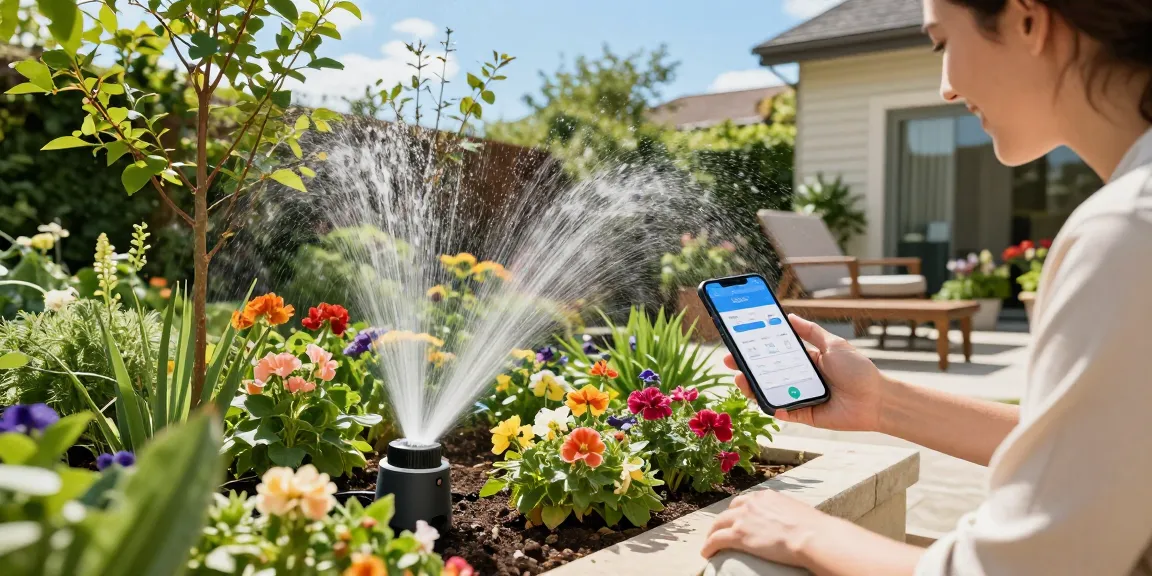
As gardening enthusiasts increasingly seek to optimize their watering strategies, smart sprinkler systems have emerged as a revolutionary solution. These innovative devices harness technology to ensure that plants receive the right amount of water, preventing both under watering and over watering. The smart sprinkler not only simplifies watering schedules but also integrates with smartphones for effortless monitoring and control, transforming the way gardeners maintain their green spaces.
What is a Smart Sprinkler?
A smart sprinkler is a programmable irrigation device designed to automatically water plants based on environmental data, such as soil moisture levels, rainfall, and weather forecasts. Unlike traditional timers, which operate on a fixed schedule, smart sprinklers utilize sensors and smart technology to adjust watering patterns in real-time. This adaptability allows for more efficient water use, promoting healthier plants while conserving resources.
Benefits of Smart Sprinklers Over Traditional Systems
Investing in a smart sprinkler system offers numerous advantages over conventional watering methods:
- Water Conservation: Smart sprinklers adjust watering based on actual needs, reducing water waste.
- Time Savings: Programmable systems allow gardeners to set schedules once and let technology handle the rest, freeing up valuable time.
- Improved Plant Health: By providing optimal watering conditions, these systems enhance growth and vitality.
- Remote Control: With smartphone integration, users can manage watering from anywhere, ensuring flexibility in their gardening routine.
Key Features to Look For in Smart Sprinklers
When selecting a smart sprinkler system, consider the following features to maximize efficiency and effectiveness:
- Soil Moisture Sensors: These sensors measure soil moisture levels and adjust watering accordingly to prevent over watering.
- Weather Forecast Integration: Some systems can access weather data to skip watering during rainfall.
- User-Friendly App: A well-designed app simplifies programming and monitoring, making it easy to manage your watering schedule.
- Multiple Zone Control: Choose a system that allows for different watering schedules for various plant zones.
Water Conservation: How Smart Sprinklers Save Resources
Water scarcity is an ever-growing concern, especially as climate change intensifies. Smart sprinkler systems play a crucial role in addressing this challenge. By leveraging technology to understand plants’ watering needs, these systems help conserve water, making them essential tools for sustainable gardening practices.
The Importance of Water-Saving Technology in 2026
As we look towards 2026, the need for water-saving technologies has never been more critical. With global water resources under considerable strain, smart irrigation solutions will be pivotal in ensuring that urban gardens and landscapes thrive without depleting our valuable water supplies. A shift to these technologies not only benefits individual gardeners but also contributes to broader environmental sustainability efforts.
Understanding Soil Moisture Sensors and Their Impact
Soil moisture sensors are at the heart of smart irrigation systems. They provide real-time data about the moisture content of the soil, enabling the sprinkler system to water only when necessary. This ensures that plants receive adequate hydration without waste. By using moisture sensors, gardeners can enjoy lush, thriving gardens with a lower environmental impact. Many users have reported that integrating such sensors has significantly improved the health of their plants while reducing water consumption.
Case Studies on Water Savings with Smart Irrigation
Numerous case studies highlight the water savings achieved through smart irrigation systems:
- One residential property reduced water usage by 30% over a single growing season after installing a smart sprinkler system.
- A community garden implemented smart technology, resulting in improved plant health and a 40% decrease in water usage.
- Municipal parks that adopted smart irrigation reported saving millions of gallons of water annually, proving that smart technology is scalable and effective at all levels.
Installation Tips for a Successful Smart Sprinkler Setup
Installing a smart sprinkler system can be a straightforward process if approached correctly. Following best practices can ensure optimal performance and longevity of the system.
Preparing Your Garden for Smart Sprinkler Installation
Before installation, assess your garden’s layout and water requirements. Determine the zones that require irrigation and the types of plants in each zone to calibrate watering schedules effectively.
Common Mistakes to Avoid When Setting Up
Some common pitfalls during installation include:
- Failing to properly position soil moisture sensors, leading to inaccurate readings.
- Not programming the system according to specific plant needs, which can result in under or over-watering.
- Ignoring local weather patterns, which can affect watering schedules.
Integrating Smart Sprinkler Systems with Home Automation
Many smart sprinkler systems can seamlessly integrate with existing home automation platforms. This allows for synchronized watering schedules with other smart devices, such as weather stations or motion sensors, enhancing overall efficiency and control.
Maximizing Plant Growth with Smart Sprinkler Technology
Smart sprinklers not only save water but also foster healthier plant growth by ensuring the right amount of moisture reaches the roots. Understanding how to leverage this technology can transform any garden into a flourishing oasis.
Optimal Watering Schedules for Various Plant Types
Different plants have unique watering needs. Here are guidelines for watering schedules:
- Ornamental Plants: Generally require less frequent watering; a schedule that initiates watering every 4-7 days is often sufficient.
- Vegetable Gardens: Typically need more water, especially during growing seasons; set up watering every 2-3 days.
- Newly Planted Trees and Shrubs: Require deep, infrequent watering to encourage root establishment; consider watering deeply once a week.
Tracking Plant Health Through Smart Sprinkler Data
Many smart sprinkler systems offer data tracking features. This data can provide insights into plant health and watering efficiency, allowing gardeners to adjust their strategies as needed. Monitoring changes in plant growth alongside irrigation data can lead to more informed gardening decisions.
Real-Life User Experiences: Transforming Gardens with Smart Systems
User testimonials reveal the transformative impact of smart sprinklers:
- A homeowner reported that their vegetable garden flourished after switching to a smart watering system, with a notable increase in yield.
- Another user, managing a diverse property, praised the system for reducing their watering time significantly while enhancing the growth of ornamental plants.
Future Trends in Smart Sprinkler Technology
The landscape of smart irrigation technology is continually evolving. As advancements occur, the future holds even more promise for gardeners seeking efficiency and sustainability.
Emerging Innovations on the Horizon for 2026
Upcoming innovations include:
- Advanced AI Integration: Future smart sprinklers may incorporate AI to learn and adapt to users’ watering habits, optimizing schedules based on historical data.
- Enhanced Connectivity: More systems will allow integration with broader smart home ecosystems, offering users a unified management interface.
- Improved Sustainability Features: Companies are focusing on developing eco-friendly materials and energy-efficient systems to further reduce the environmental impact of gardening.
The Role of AI and Machine Learning in Smart Irrigation
Machine learning algorithms will enable smart sprinklers to provide more personalized watering schedules over time. By analyzing variables such as weather forecasts, soil conditions, and plant types, these systems will continuously improve their water-saving techniques.
Preparing for Climate Change: Adaptive Watering Solutions
As climate patterns become increasingly unpredictable, adaptive watering solutions are essential for maintaining healthy gardens. Smart sprinklers that respond dynamically to weather changes and soil moisture will be vital in helping gardeners mitigate the effects of climate change.
What are the benefits of using a smart sprinkler system?
Smart sprinkler systems offer numerous benefits, including efficient water use, automated scheduling, the ability to remotely control irrigation, and enhanced plant health. By optimizing watering practices, they can also contribute to significant water conservation efforts.
How do smart sprinklers work?
Smart sprinklers work by utilizing sensors to monitor soil moisture levels and weather conditions. Based on this data, they adjust watering schedules, ensuring that plants receive the right amount of water when they need it.
Can smart sprinkler systems be integrated with home automation?
Yes, many smart sprinklers can be integrated with home automation systems, allowing users to synchronize their irrigation schedules with other smart devices for comprehensive home management.
Are smart sprinklers worth the investment?
For avid gardeners and those concerned about water conservation, investing in a smart sprinkler system is often worth it. The long-term savings on water bills, combined with the health benefits for plants, typically outweigh the initial costs.
What are common challenges with smart sprinkler systems?
Common challenges include connectivity issues, the need for regular updates, and the initial learning curve in programming the system effectively. However, many users find that these challenges are minor compared to the benefits of automated watering.