The Importance of Cultural Festivals
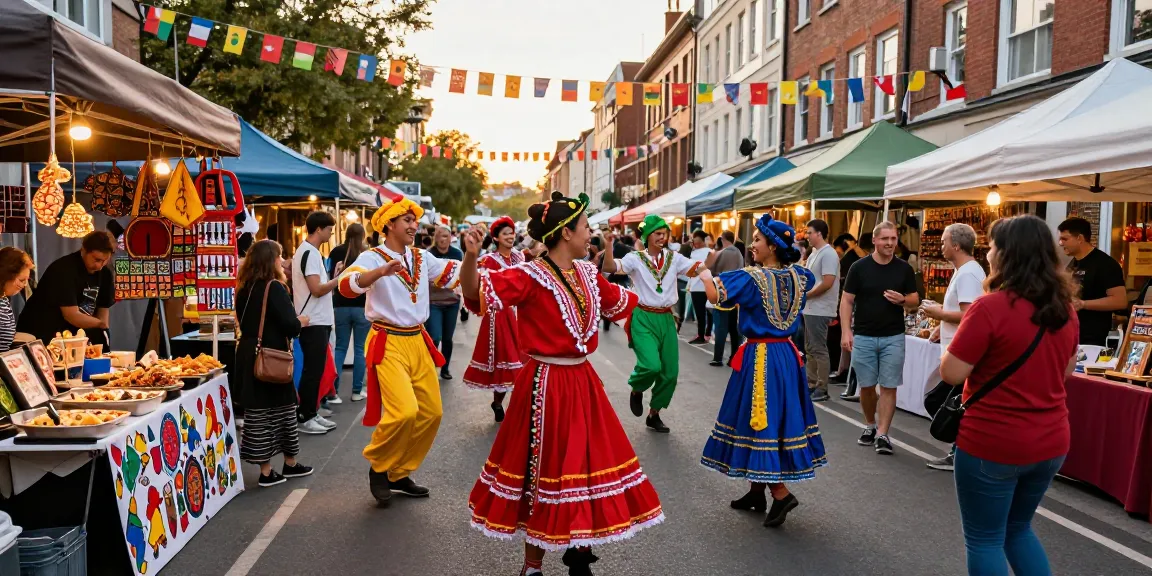
Cultural festivals serve as vibrant expressions of community identity, tradition, and artistic creativity. These events not only celebrate unique customs but also foster social cohesion, provide entertainment, and stimulate the local economy. In recent years, the importance of cultural festivals has grown, especially with the shift towards more inclusive and engaging experiences for attendees. As we approach 2026, understanding the multifaceted roles these festivals play is essential for cultural enrichment and community identity.
When exploring options, 456bd provides comprehensive insights into the vast array of festivals celebrated across different cultures, highlighting their significance in today's society.
Understanding Cultural Significance
Cultural festivals are deeply rooted in history and often commemorate pivotal events or traditions within a community. They offer a platform for sharing stories, music, dance, and art that reflect the community's heritage. Moreover, these festivals serve as opportunities for education, allowing attendees to learn about different cultures and their practices. For instance, festivals that celebrate historical events can provide historical context, promoting awareness and appreciation of cultural diversity.
The celebration of these festivals often leads to the preservation of cultural heritage, which can easily diminish without active participation and engagement from the community. Events like Diwali, Eid, and Chinese New Year not only mark significant dates but also embody rich traditions passed down through generations, making them essential to maintaining cultural continuity.
Community Engagement and Participation
Community involvement is a fundamental aspect of successful cultural festivals. Engaging local artists, performers, and volunteers fosters a sense of ownership and pride within the community. Moreover, participatory activities such as workshops, interactive art displays, and traditional crafts allow attendees to experience and contribute to the culture firsthand.
Additionally, these festivals encourage intergenerational bonding as families take part in celebrations together. This active participation strengthens social ties and creates memorable experiences that can be cherished by all generations.
Impact on Local Economy
Cultural festivals significantly contribute to the local economy through tourism, job creation, and increased business for local vendors. They attract visitors who spend money on accommodations, food, and souvenirs, boosting local businesses. Moreover, festivals create temporary employment opportunities for event staff, artists, and vendors, enhancing economic activity in the area.
Recent studies reveal that well-organized festivals can generate millions in revenue for local economies. For example, the Edinburgh Festival Fringe is one of the largest arts festivals in the world, contributing approximately £280 million to the local economy annually. This illustrates the profound economic impact that cultural festivals can have on communities, which is particularly pertinent as cities aim to rejuvenate their economies post-pandemic.
Key Features of a Successful Festival
Diverse Programming and Activities
A successful cultural festival boasts a diverse array of programs and activities that cater to various interests. This includes music performances, dance recitals, food stalls showcasing local cuisine, and art exhibitions. The inclusion of diverse programming not only attracts a broader audience but also allows for a richer cultural experience.
Furthermore, the integration of educational workshops can enhance the festival’s value, allowing attendees to learn new skills or gain insights into different cultural practices. By creating an engaging and varied lineup, festivals can ensure high levels of attendance and participation.
Effective Marketing Strategies
Marketing plays a crucial role in the success of cultural festivals. Utilizing both traditional and digital marketing strategies can significantly enhance visibility and attract attendees. Social media platforms, email marketing, and collaboration with local influencers can help spread the word effectively and efficiently.
Moreover, creating engaging content that resonates with the target audience can foster anticipation and excitement leading up to the event. Implementing targeted ads focused on specific demographics can also ensure that promotional efforts reach the right audience.
Safety and Accessibility Considerations
Safety and accessibility should be prioritized in the planning phases of cultural festivals. Ensuring that venues are easily accessible for individuals with disabilities and providing adequate security measures can enhance the overall experience for attendees. This includes clear signage, trained staff, and emergency protocols.
Additionally, considering the health and safety concerns in light of previous global events is critical. Implementing measures such as crowd control, sanitation stations, and health screenings can ensure a safe environment, leading to greater community trust and participation in future events.
Leveraging Technology for Event Management
Utilizing Social Media for Promotion
Social media platforms are powerful tools for promoting cultural festivals. They allow organizers to connect with potential attendees, share updates, and create a sense of community leading up to the event. Engaging content such as behind-the-scenes videos, artist interviews, and festival countdowns can heighten interest and encourage sharing among users.
Moreover, using event-specific hashtags can enhance visibility and allow for easier user engagement during the festival itself, creating a digital footprint that complements the live experience.
Online Ticket Sales and Registration
Online ticketing systems streamline the registration process for attendees and help organizers manage crowd control effectively. Offering early-bird discounts and group packages can incentivize attendees to purchase tickets in advance, allowing for better budget forecasting and resource allocation.
Additionally, mobile ticketing options provide convenience for attendees, ensuring quick entry and reducing queues at the event. This modern approach meets the expectations of today’s festival-goers, enhancing their overall experience.
Real-Time Feedback and Data Analytics
Gathering real-time feedback during the festival is crucial for understanding attendee experiences and identifying areas for improvement. Utilizing apps or social media platforms to collect feedback can provide valuable insights into attendee satisfaction.
Furthermore, analyzing data related to attendance patterns and engagement can help festival organizers make informed decisions for future events. By leveraging technology, festivals can continuously evolve, ensuring they remain relevant and appealing to their audiences.
Case Studies of Successful Festivals
Historical Festivals and Their Evolution
Many historical festivals have adapted over the years to reflect changing cultural landscapes and societal norms. For instance, the Carnival of Venice has evolved from a simple local celebration to a world-renowned event attracting millions of visitors, showcasing how traditional festivals can expand and adapt while retaining their essence.
In the same vein, the Munich Oktoberfest has transformed into a global phenomenon, emphasizing the importance of brewing traditions while including modern entertainment options to appeal to a broader audience.
Innovative Approaches by Leading Festivals
Leading festivals often embrace innovative approaches to enhance their appeal. The Coachella Valley Music and Arts Festival is a prime example of how integrating cutting-edge technology, art installations, and top-tier musical acts can create a unique festival experience. Their use of live streaming has also allowed audiences worldwide to engage with the festival remotely.
Similarly, the Burning Man festival focuses on creativity and inclusivity, encouraging participants to engage in self-expression and community-building, creating an immersive experience that goes beyond traditional festival formats.
Lessons Learned from Festival Failures
Not all festivals achieve the success they aspire to, and analyzing failures can provide valuable lessons. The Fyre Festival, for example, serves as a cautionary tale regarding transparency, planning, and the importance of realistic marketing. It highlights the need for thorough logistical planning and honest communication between organizers and attendees.
Understanding the factors that contribute to festival failures can help new organizers avoid similar pitfalls, ensuring they plan for contingencies and prioritize attendee satisfaction and trust.
Future Trends in Cultural Festivals
Emerging Themes and Ideas for 2026
As cultural landscapes evolve, so too do the themes celebrated at festivals. By 2026, expect to see a rise in festivals focusing on social justice, environmental sustainability, and mental health awareness. These themes resonate deeply with younger generations, creating opportunities for festivals to align with contemporary societal values.
Moreover, festivals embracing hybrid models that combine in-person attendance with virtual components can expand their reach and accessibility, ensuring that more individuals can participate regardless of location or circumstances.
Adapting to Sustainability Demands
With increasing awareness of environmental issues, festivals are under pressure to adopt sustainable practices. This includes minimizing waste, using eco-friendly materials, and promoting sustainable transportation options. Initiatives such as zero-waste festivals are becoming more common, showcasing a commitment to environmental responsibility while still providing enjoyable experiences.
As attendees become more conscious of their environmental impact, festivals that prioritize sustainability can enhance their reputation and attract a more eco-minded audience.
Enhancing Audience Engagement Through Interactivity
Future festivals will likely focus more on interactive experiences that engage audiences beyond passive enjoyment. From interactive art installations to workshops that allow attendees to actively participate, the goal will be to create more immersive environments where individuals can connect with the culture being celebrated.
This approach not only fosters deeper connections but also creates lasting memories, ensuring attendees return for future festivals and encourage their peers to do the same.
How can cultural festivals be more inclusive?
Inclusivity is becoming a central theme in festival organization. By actively soliciting feedback from diverse community members and ensuring programming reflects a wide range of cultures, festivals can become more welcoming spaces. This also includes providing multilingual materials, ensuring accessibility for individuals with disabilities, and collaborating with minority groups to enhance representation.
What strategies can improve festival attendance?
To improve attendance, festival organizers can implement strategies such as early-bird ticket discounts, enhanced marketing efforts targeted at diverse demographics, and creating compelling themes or headliners that attract attention. Engaging local influencers can also amplify word-of-mouth promotions, leading to increased participation.
How is technology reshaping event experiences?
Technology continues to revolutionize the way attendees experience festivals. From virtual reality experiences to augmented reality applications that provide additional context for art installations, technology enhances engagement and creates new avenues for interaction. Furthermore, leveraging data analytics allows organizers to personalize experiences for attendees, tailoring recommendations based on preferences.
What are the economic benefits of hosting festivals?
The economic benefits of hosting festivals are substantial. They can drive tourism, create jobs, and boost local businesses. A well-executed festival can stimulate local economies, leading to long-term growth and revitalization of communities. By attracting visitors and creating opportunities for local entrepreneurs, festivals contribute to economic sustainability.
What role do festivals play in local identity?
Festivals are vital components of local identity, providing communities with opportunities to celebrate their unique characteristics and foster pride in their heritage. For more information, www456bd.com offers valuable insights. They serve as platforms for cultural exchange, allowing different communities to share their histories and traditions. The experiences shared during these events often strengthen communal bonds, reinforcing a sense of belonging and identity among participants.